Chronological collection
1400 - 1600 AD
A chronological collection represented on the Goodrich Seminar Room wall for 1400 - 1600 AD.
Open this wall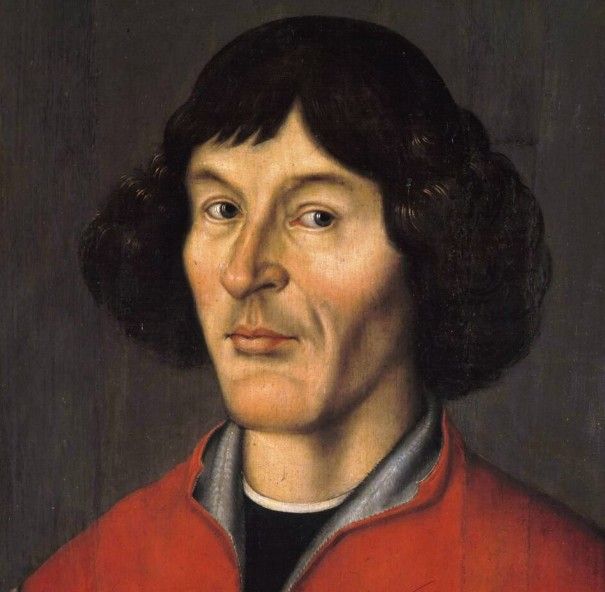
Copernicus
Nicolaus Copernicus sought to free inquiry from inherited authority, showing that nature answers to evidence and reason rather than custom or decree. He is considered by some to be the founder of modern science. By demonstrating that truth can overturn even the most entrenched assumptions, he affirms a principle essential to free societies: authority must yield when reason proves otherwise.
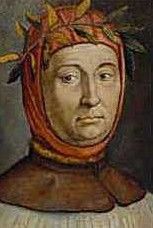
Petrarch
Petrarch (Francesco Petrarca) seeks to restore the moral authority of the individual conscience against inherited dogma and complacent power. By turning back to classical sources to recover self-knowledge, moral responsibility, and critical judgment, he advances a defining insight of free societies: liberty begins when individuals reclaim the right—and duty—to examine themselves and their traditions.
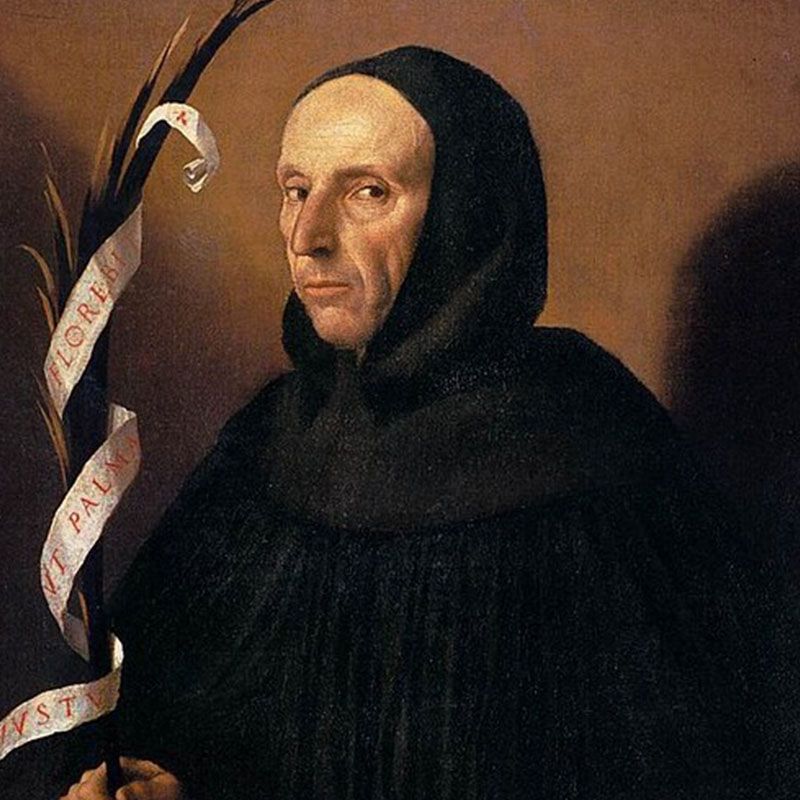
Savonarola
Girolamo Savonarola insists that political power must answer to justice, law, and the common good rather than luxury, corruption, or elite privilege. By challenging both princely and clerical authority in the name of conscience, he dramatizes a hard truth for free societies: reform born of moral conviction can defend liberty—but only when it resists becoming coercive itself.
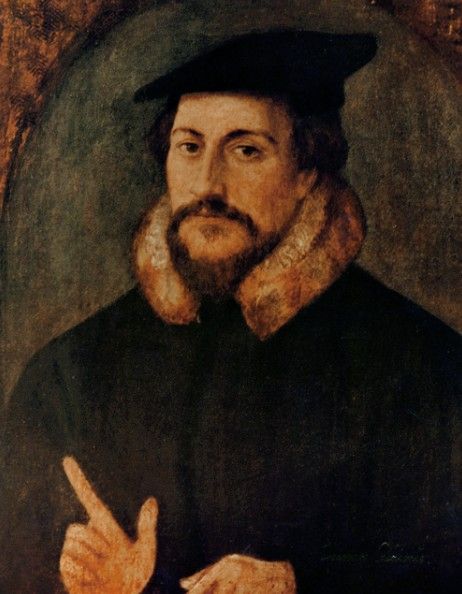
Calvin
John Calvin advances liberty by binding authority to law and discipline, insisting that power—civil and ecclesiastical—must operate within publicly knowable rules and accountable institutions. He maintained that the state had a responsibility to protect personal property, maintain civil peace, and provide the conditions in which business could flourish. By emphasizing ordered self-government and moral restraint, he advances a lasting insight for free societies: liberty survives where power is structured, limited, and subject to law rather than personal will.
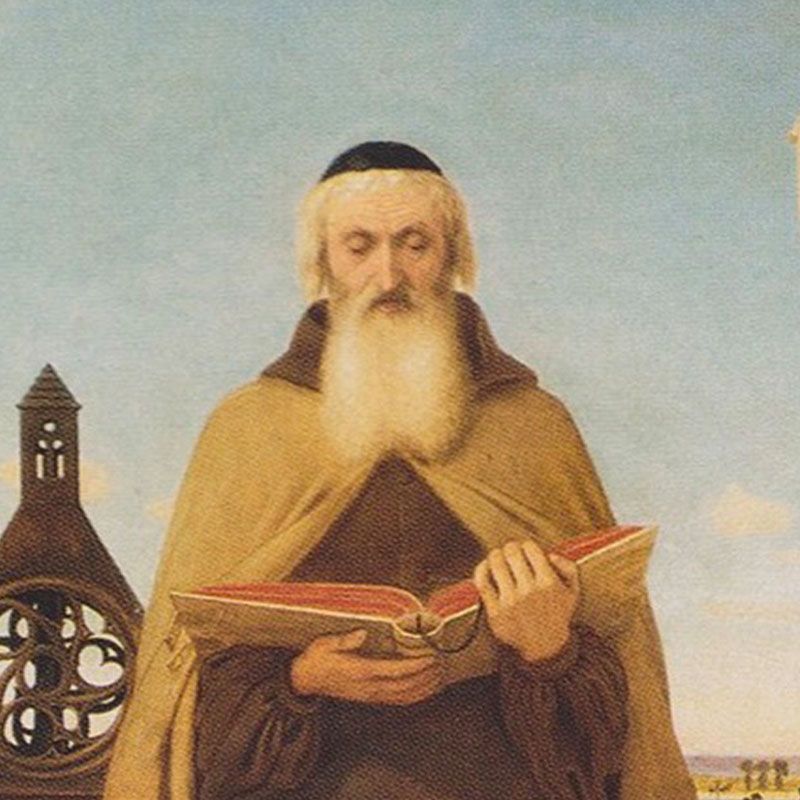
Wycliffe
John Wycliffe advances liberty by denying that power sanctifies itself, arguing that authority—ecclesiastical or civil—loses legitimacy when it abandons justice and moral responsibility. By insisting that law, conscience, and accountability stand above office and wealth, he presses a defining claim for free societies: power forfeits its rights when it violates the moral law it claims to serve. His view that the Church had strayed from the supreme authority of Scripture laid the groundwork for the Protestant Reformation.
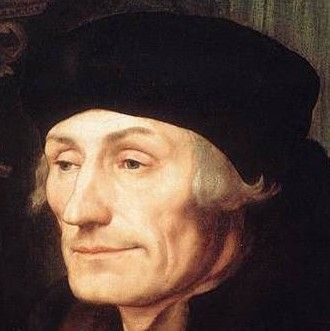
Erasmus
Desiderius Erasmus advances liberty by insisting that reform begins with education, conscience, and gentle persuasion rather than coercion. By exposing how power hardens when learning fades, he offers a humane principle for free societies: authority is best restrained by reasoned criticism and moral formation, not force.
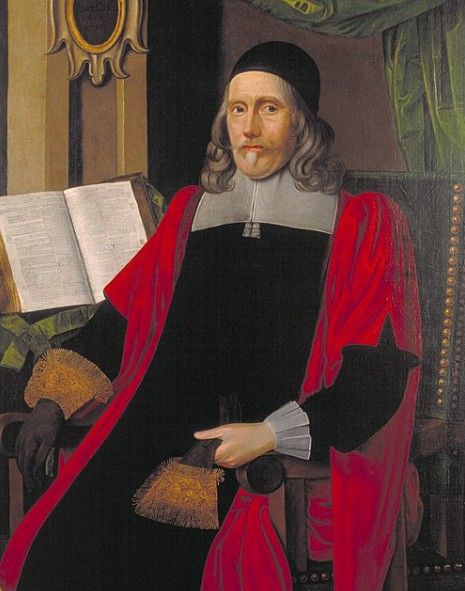
Coke
Edward Coke makes liberty enforceable by insisting that even the king is subject to the law. He denied that the king could rule by proclamation. By defending the supremacy of Parliament, common law, due process, and independent courts against royal prerogative, he crystallizes a defining principle of constitutional freedom: where law rules, power is restrained; where power rules, liberty collapses.
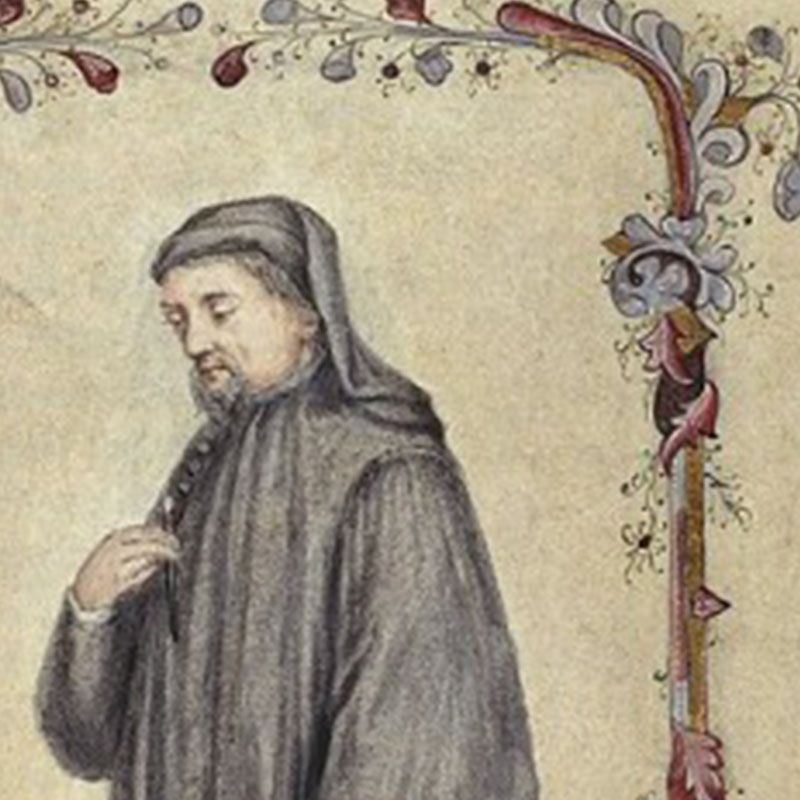
Chaucer
Geoffrey Chaucer gives voice to ordinary people, revealing a society where authority, morality, and social rank are openly tested through speech, choice, and character. By placing kings, clerics, merchants, and peasants on equal narrative footing, he offers a quietly radical insight for free societies: liberty grows where individuals may speak, judge, and be judged beyond their station.
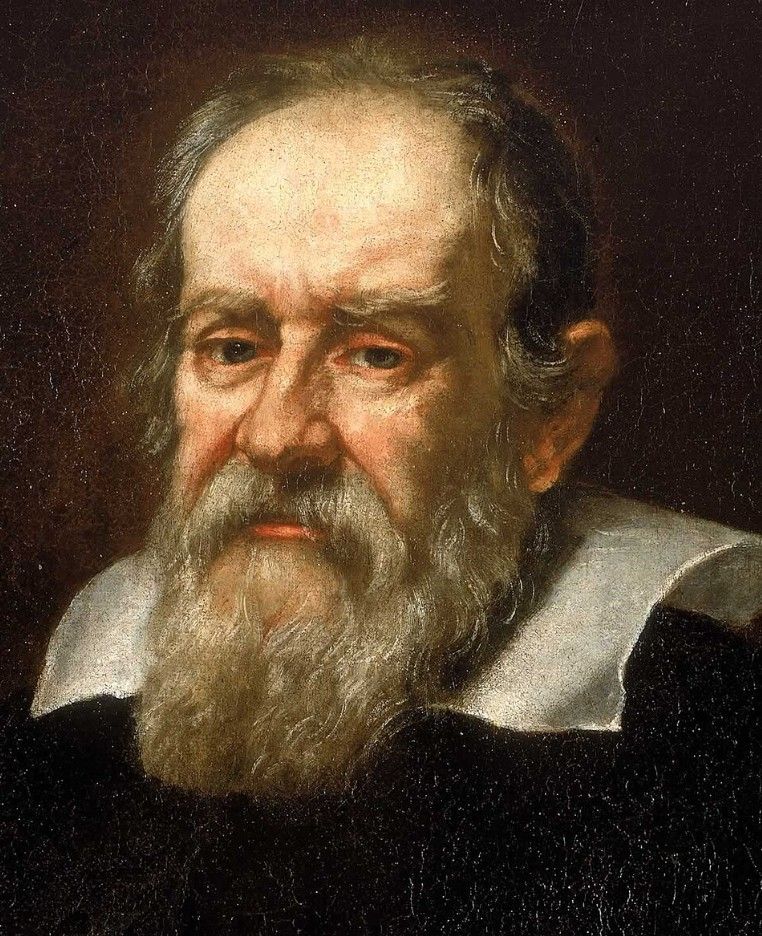
Galileo
Galileo Galilei secures freedom of inquiry by insisting that truth be tested by observation and reason, not by authority or decree. He is considered the founder of the scientific method. By defending open examination against enforced orthodoxy, he affirms a principle essential to free societies: power must yield when evidence speaks.
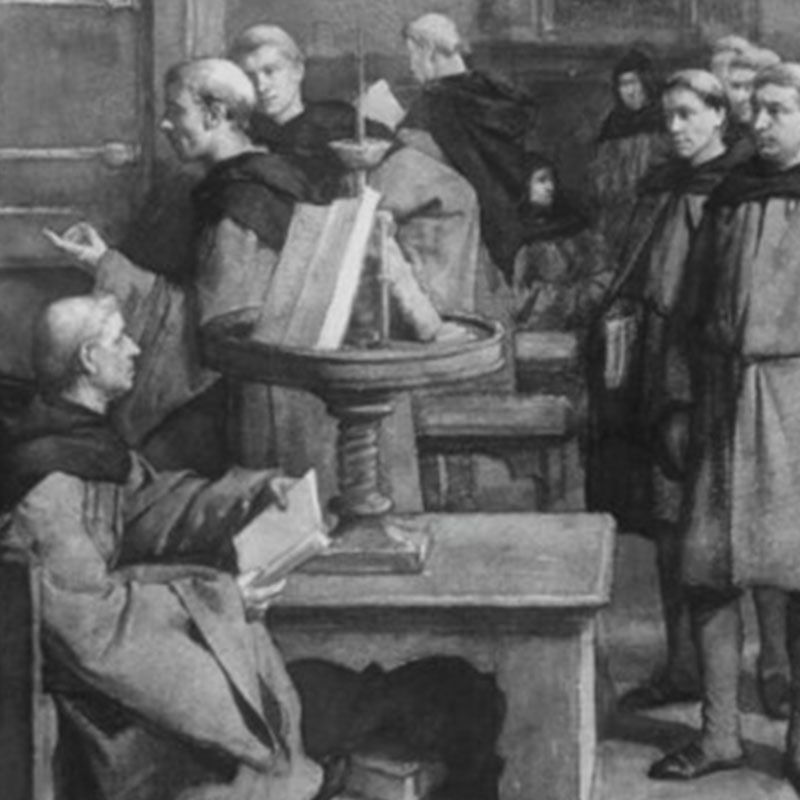
Groot
Gerard Groote turns reform inward, insisting that conscience, education, and disciplined moral life must stand independent of corrupt authority. By rejecting coercion and privilege in favor of voluntary restraint and ethical accountability, he offers a quiet but enduring insight for free societies: liberty grows where individuals govern themselves before seeking to govern others.
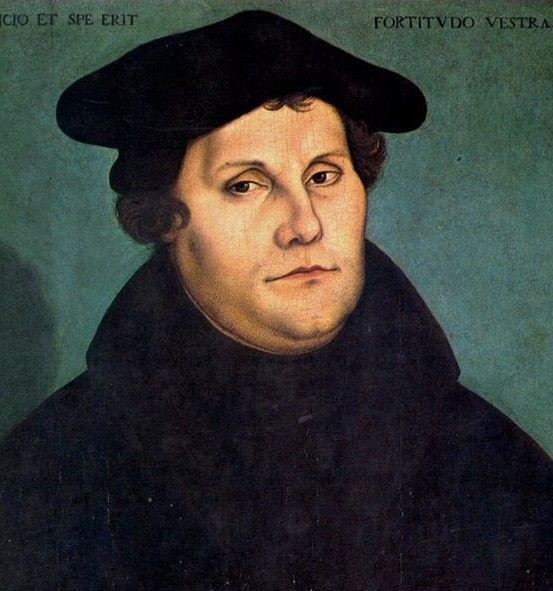
Luther
Martin Luther advocates for freedom of conscience bound to responsibility, arguing that no earthly authority may coerce belief or usurp moral judgment. By stressing the inward character of Christianity, Luther sparked the Protestant Reformation. By separating inward freedom from outward obedience, he advances a pivotal principle for free societies: conscience answers to truth, not command.
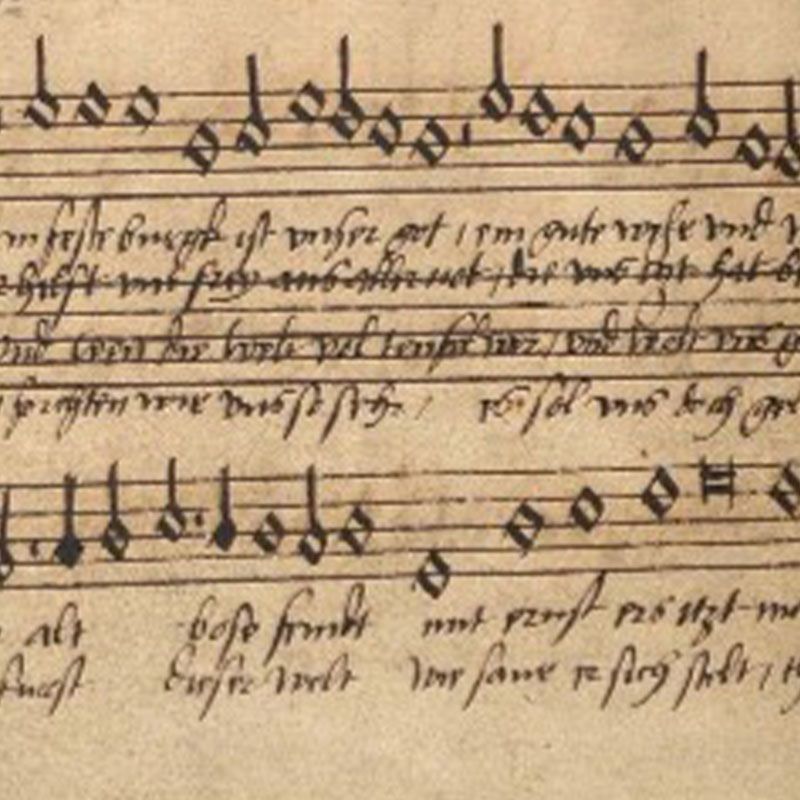
Reformation Chorale
The Reformation Chorale, many of whose hymns Martin Luther wrote, advances liberty by placing worship—and with it moral authority—into the voices of ordinary people. By transforming congregations from passive listeners into active participants, it embodies a decisive insight for free societies: freedom deepens where authority is shared, intelligible, and exercised in common rather than imposed from above.
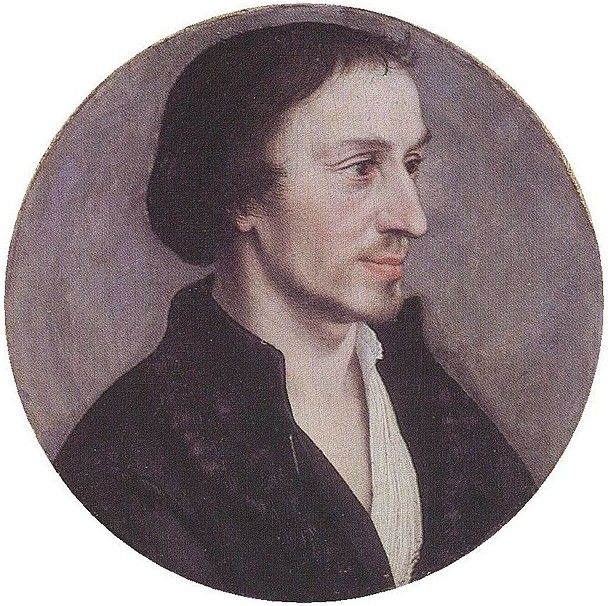
Melanchthon
Philipp Melanchthon, a close supporter of Luther, gives liberty an educational foundation, arguing that freedom is sustained not by passion or revolt but by disciplined learning, moral formation, and lawful order. By uniting humanist education with constitutional restraint, he advances a central insight for free societies: liberty endures where reason is cultivated and authority is tempered by law and learning.
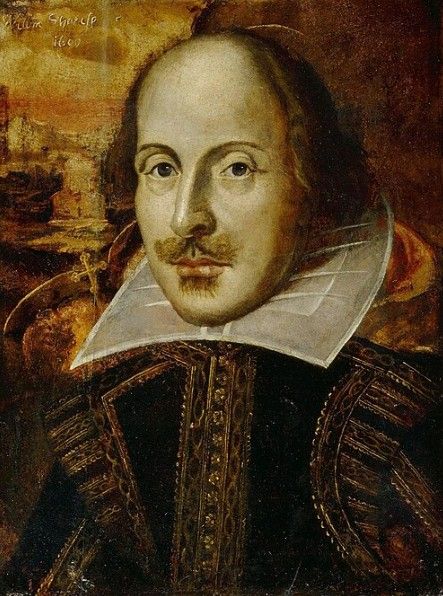
Shakespeare
William Shakespeare dramatizes how power is gained, justified, abused, and resisted within the human soul and the body politic. By exposing ambition, consent, law, and conscience in collision, he offers a perennial lesson for free societies: liberty fails when power outruns moral restraint and public judgment.
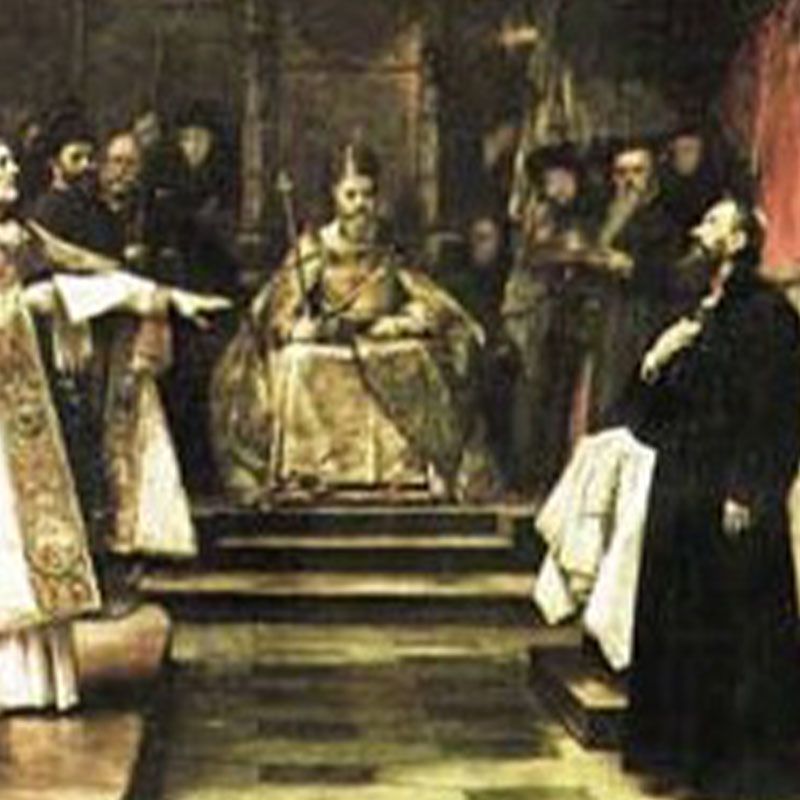
Huss
Jan Huss, informed by his reading of Wycliffe’s writings, asserts liberty of conscience against institutional coercion, arguing that authority forfeits legitimacy when it contradicts truth and moral law. By insisting that obedience is owed to justice rather than office, he advances a defining principle of free societies: power loses its claim when it silences conscience and punishes truth.
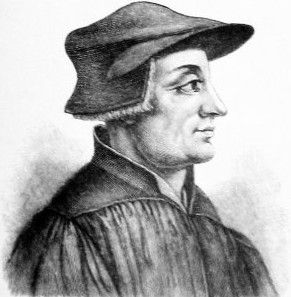
Zwingli
Huldrych Zwingli, a leading figure in the Protestant Reformation, insists that authority must submit to publicly tested truth rather than tradition or decree. By grounding reform in open debate and accountable interpretation, he presses a principle vital to free societies: power is restrained when claims are judged by reasoned argument in the public square.
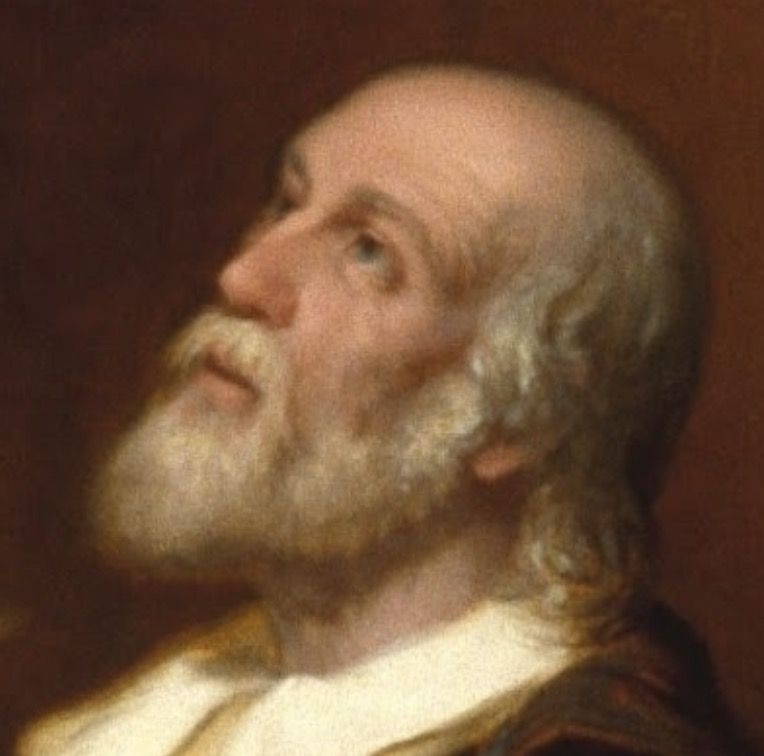
Robinson
John Robinson, Puritan minister to the Pilgrims who settled New England, articulated a vision of faith and community grounded in freedom of conscience, voluntary association, and self-governance under covenant rather than coercion. His insistence that believers must be free to follow truth as it is progressively understood—captured in his counsel that God had “more truth and light yet to break forth”—helped shape the Pilgrims’ commitment to consent-based governance and accountable authority, later reflected in early American constitutional practice.