Chronological collection
1200 - 1400 AD
A chronological collection represented on the Goodrich Seminar Room wall for 1200 - 1400 AD.
Open this wall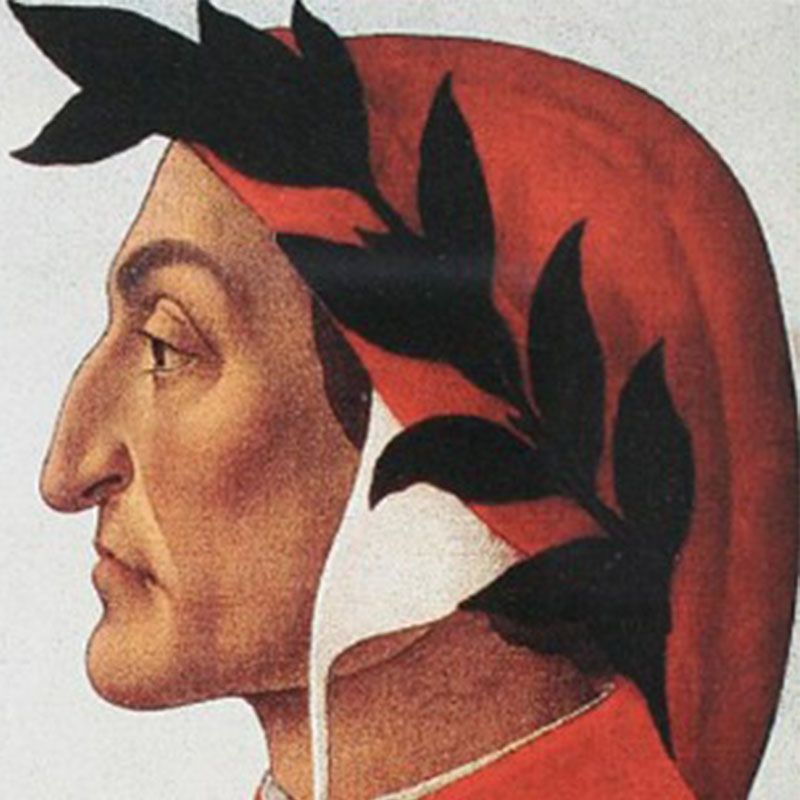
Dante
Dante Alighieri separates spiritual authority from temporal power, arguing that political order collapses when rulers claim ultimate moral sovereignty. In De Monarchia he argues for a supreme world monarchy, with all other temporal rulers subject to it. By insisting that earthly government must be limited, lawful, and independent of coercive spiritual control, he advances a crucial insight for free societies: freedom survives when church and state are separate.
Averroes
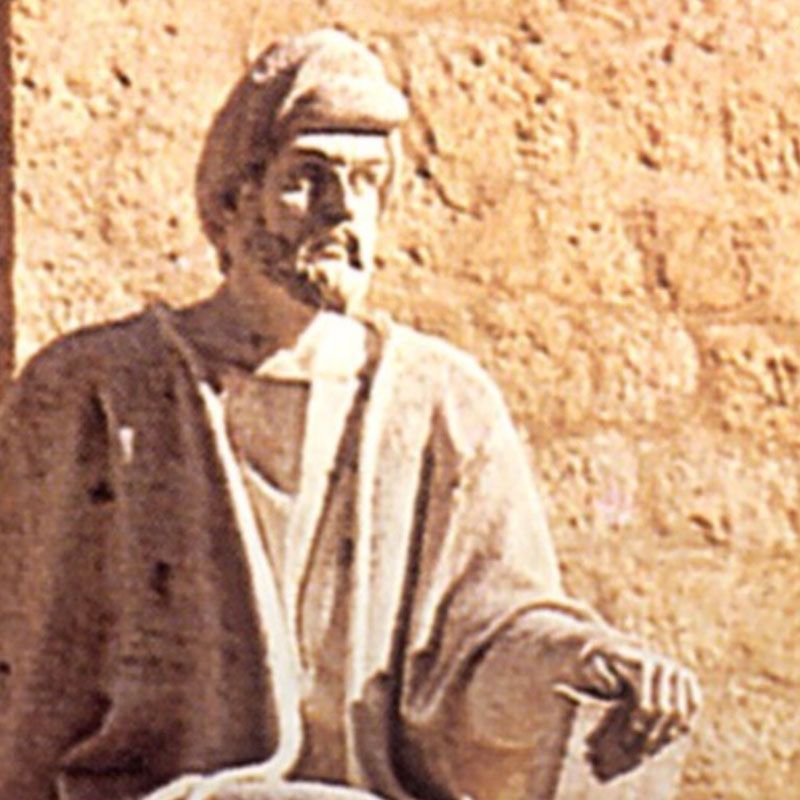
Averroes points out that reason has its own lawful authority alongside revelation, and that coercion has no claim over truth. He defended reason against Al Ghazali's insistence on the legitimacy of mysticism as a way of knowing. By arguing that free inquiry is not a threat to order but a condition of justice, Averroes advances a lasting principle for free societies: power loses legitimacy when it forbids rational examination.
Magna Carta
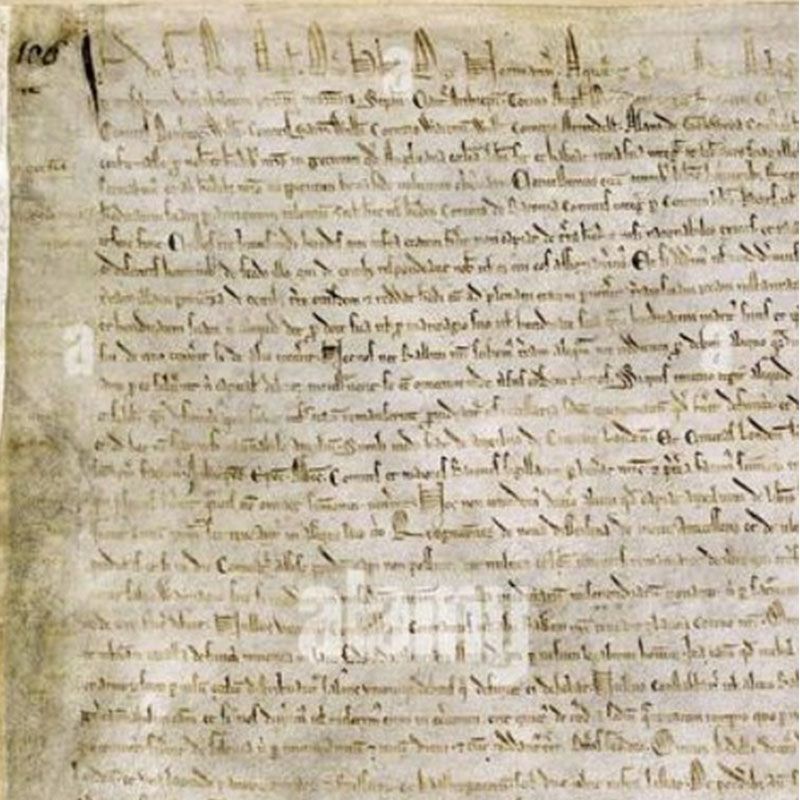
Magna Carta, or “great charter,” makes liberty enforceable by binding rulers to law for the first time in writing. It is the first modern statement that a ruler is bound by the rule of law. By asserting that the king himself is subject to established rights, due process, and lawful judgment, it marks a decisive turn in the progress of liberty: power becomes legitimate only when it is constrained by publicly known law.
Maimonides
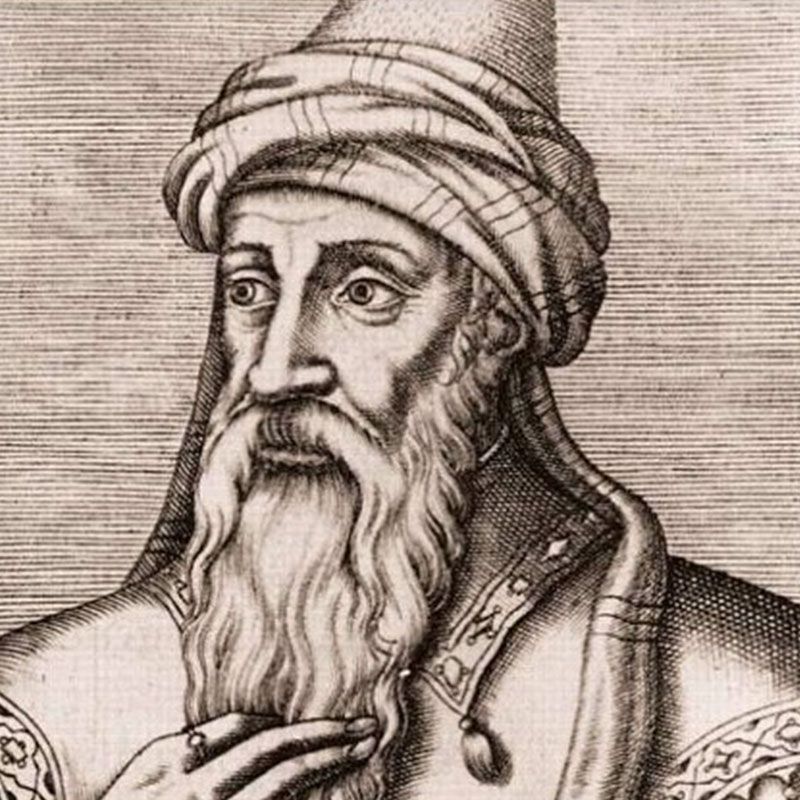
Maimonides advocates law disciplined by reason, arguing that obedience is ennobling only when it educates conscience rather than enforces submission. Like Averroes, he considered philosophy and religion to be harmonious, not contradictory. By reconciling revelation with rational inquiry and codifying law to restrain arbitrariness, he advances a durable principle for free societies: authority is legitimate only when it teaches responsibility and self-government.
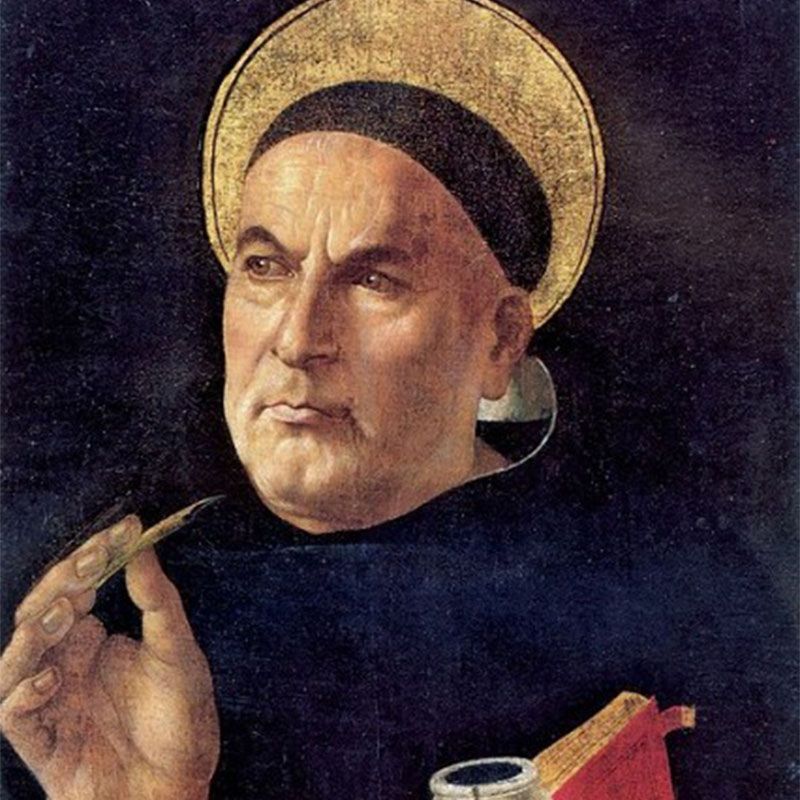
Thomas Aquinas
Thomas Aquinas advocates law rightly understood, arguing that freedom flourishes when human law conforms to reason and moral order rather than arbitrary will. By articulating natural law as a limit on rulers and a guide for conscience, he advances a decisive principle of free societies: authority is just only when it serves reason, justice, and the common good.
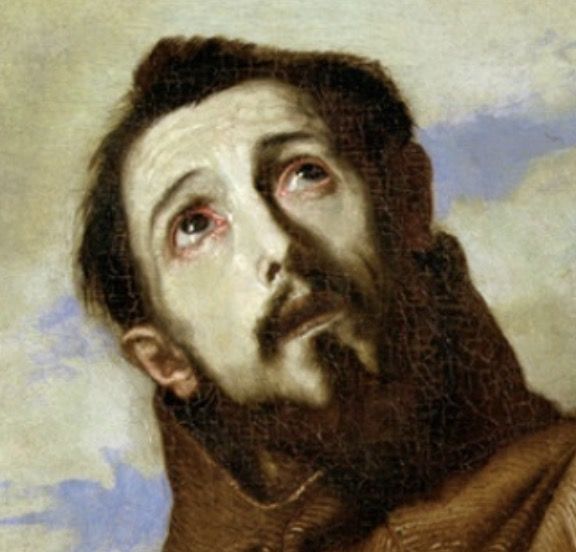
Francis of Assisi
Francis of Assisi stresses the value of voluntary restraint, showing that freedom is strengthened—not diminished—by the refusal to dominate, possess, or coerce. By choosing poverty, humility, and peace over power, he offers a radical lesson for free societies: the deepest liberty is the power to renounce power itself.
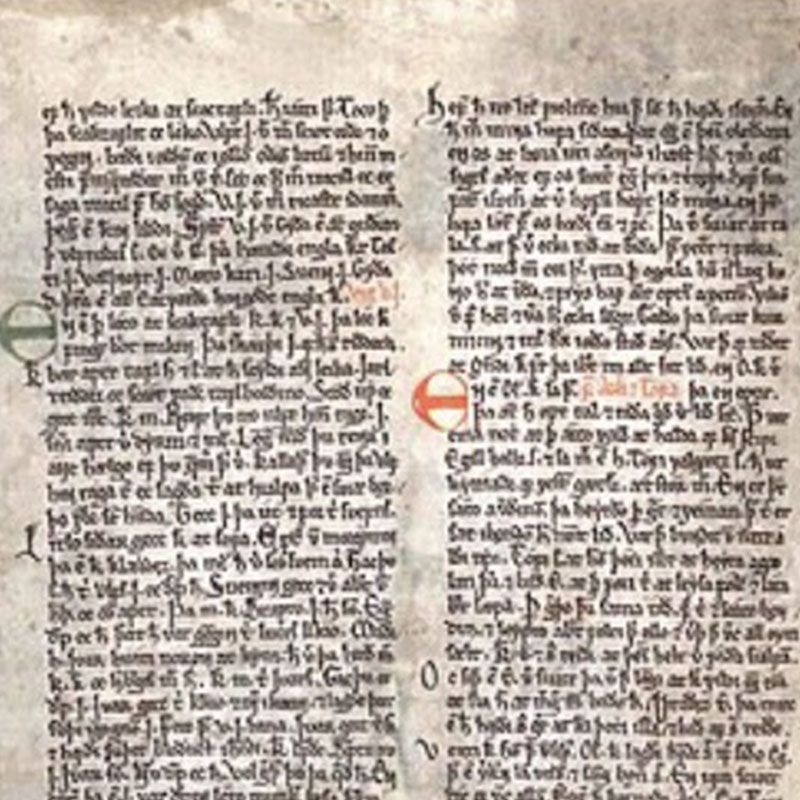
Heimskringla
Heimskringla portrays authority as contingent on law, counsel, and the consent of free men. By chronicling how rulers gain—and lose—legitimacy through justice or overreach, it delivers a hard lesson for free societies: power that ignores law and custom invites lawful resistance.