Chronological collection
900 - 1100 AD
A chronological collection represented on the Goodrich Seminar Room wall for 900 - 1100 AD.
Open this wall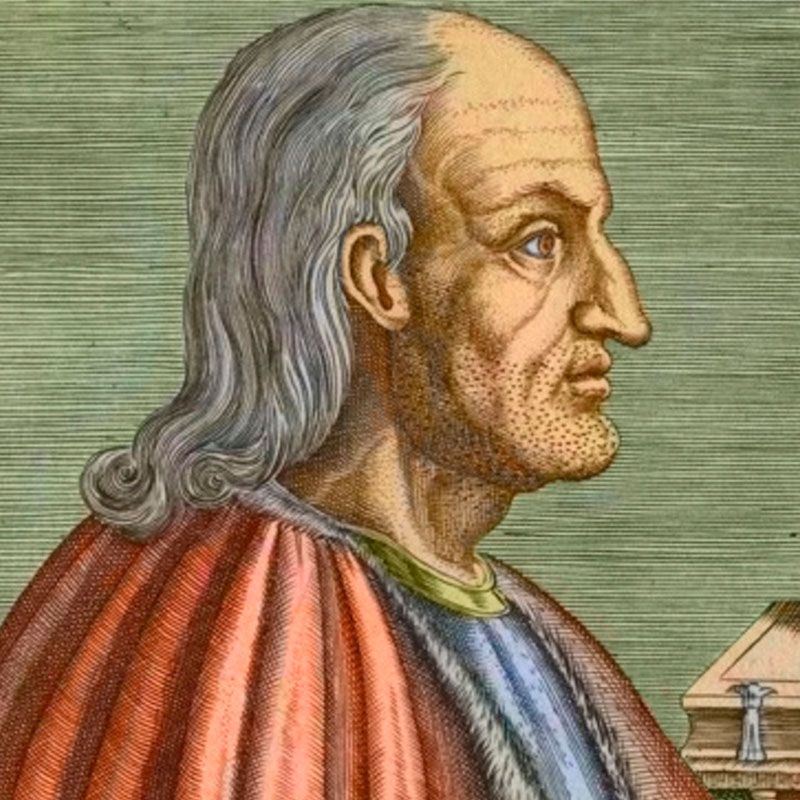
Anselm
Anselm grounds liberty in reasoned conscience, insisting that authority in matters of faith and law must submit to rational examination rather than force or custom. By defending the freedom of the will and the independence of moral judgment, he advances a core principle of free societies: obedience is legitimate only when it accords with reason and justice.
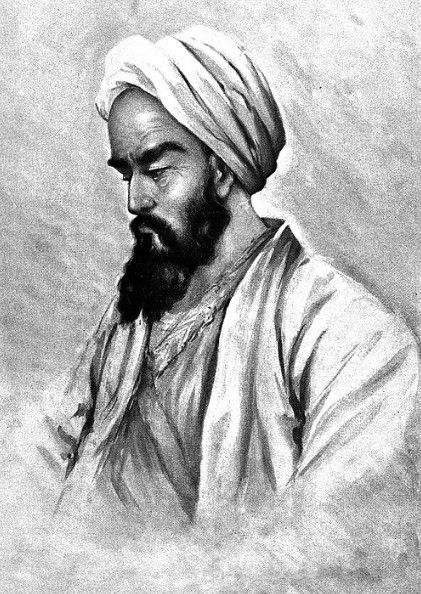
Rhazes
Rhazes insists that authority in medicine—and by extension public life—must answer to reason, evidence, and ethical responsibility rather than tradition or power. By defending intellectual independence and compassionate care, he affirms a core principle of free societies: knowledge serves humanity only when it is governed by reason and moral restraint, not deference or coercion.
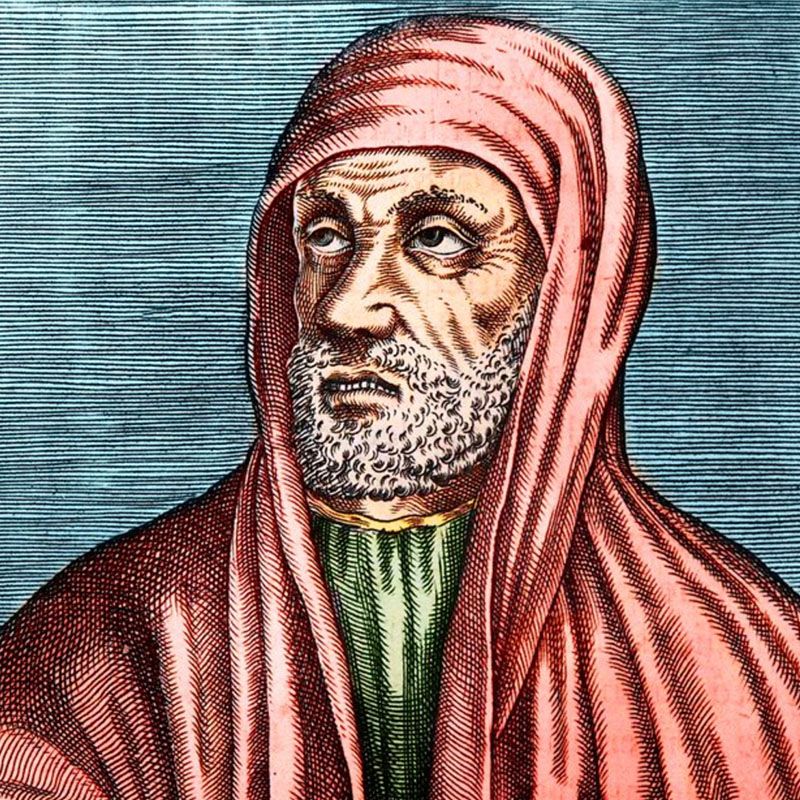
Avicenna
Avicenna binds liberty to reasoned order, arguing that both nature and human life are governed by intelligible laws rather than arbitrary power. Avicenna inspired the notion of God as the necessary force unifying all existence. This uniting philosophy, science, and ethics under rational inquiry, he advances a durable insight for free societies: authority is legitimate only when it conforms to reason and universal principles, not mere command.
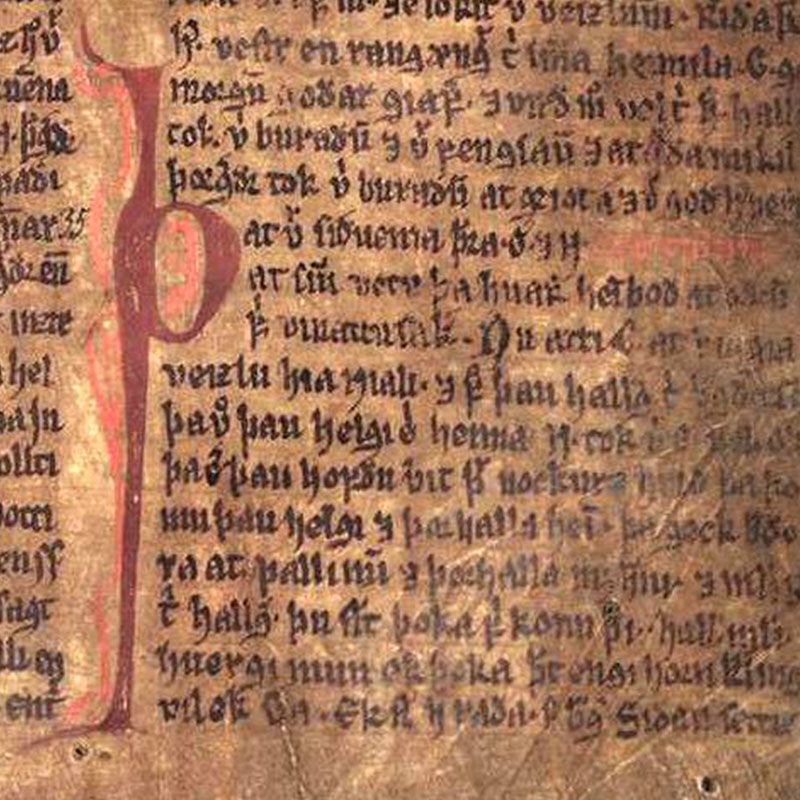
Burnt Njal
Burnt Njal dramatically presents a society that restrains violence not through kings or armies but through courts, custom, and public judgment. By exposing both the strength and fragility of a legal order without centralized power, the saga offers a hard-earned lesson for free societies: liberty survives only when law is honored even when vengeance is tempting.