Agora Agent
circa 1033 CE, Aosta, Lombardy (modern-day Italy) — circa 1109 CE, Canterbury, England
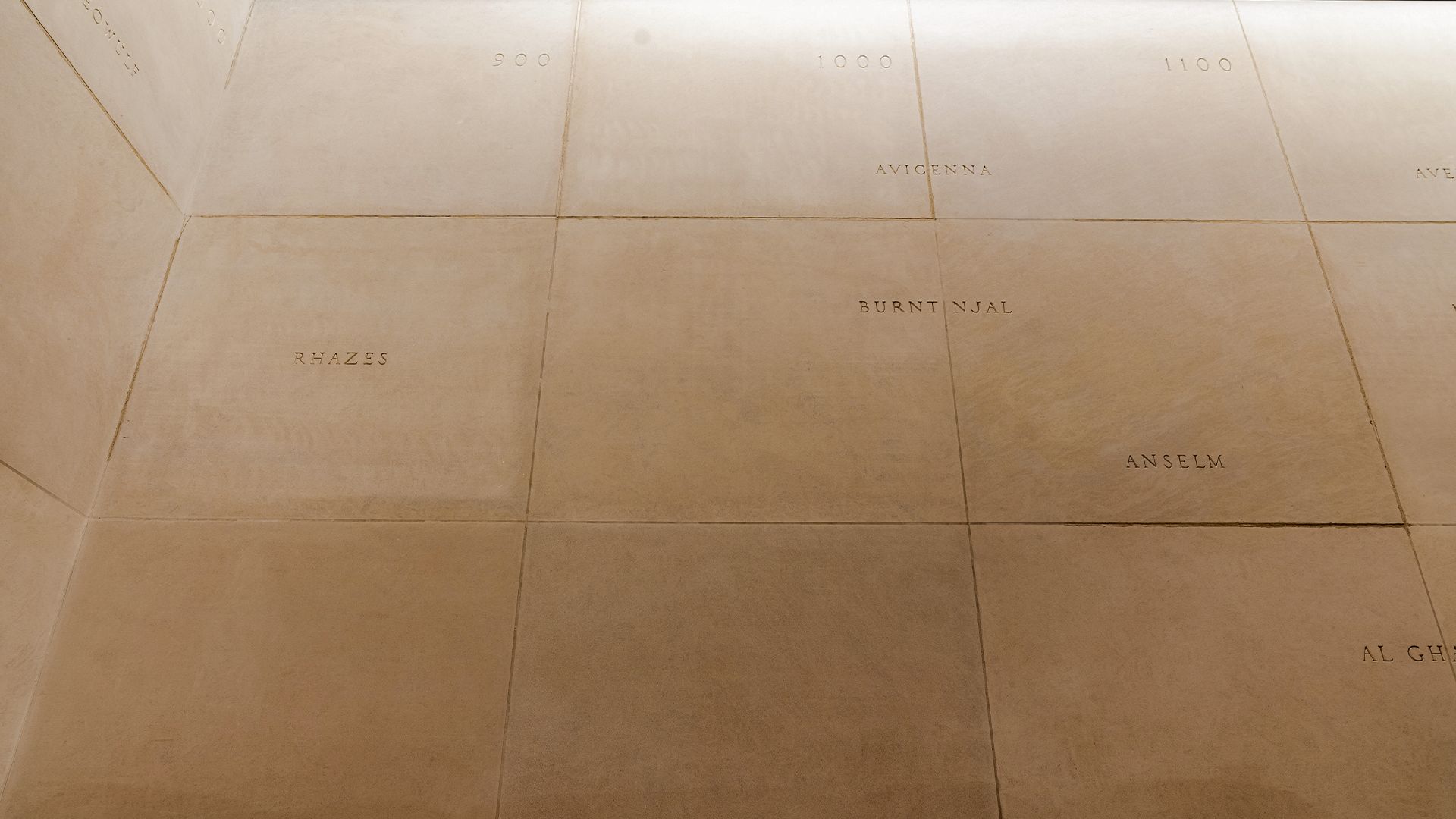
Anselm
Anselm of Canterbury (c. 1033 – 1109 CE) was a medieval philosopher, theologian, and archbishop, widely regarded as the father of Scholasticism. Born in Aosta (in present-day Italy), Anselm joined the Benedictine monastery of Bec in Normandy, where he eventually became prior and then abbot. His intellectual brilliance and spiritual discipline soon earned him renown across Europe.
around 865 CE in Ray, Iran — approximately 925 CE (at the age of 60–61) in Ray, Iran
Rhazes
• Rhazes is best known for his contributions to the field of medicine, particularly his emphasis on clinical observation, diagnosis, and treatment.
circa 980 CE, Afshana, near Bukhara, Persia (modern-day Uzbekistan) — circa 1037 CE, Hamadan, Persia (modern-day Iran)
Avicenna
Avicenna (c. 980 – 1037 CE), known in the Islamic world as Ibn Sina, was a Persian thinker whose influence spanned philosophy, medicine, science, and theology. Born near Bukhara in the village of Afshana (modern Uzbekistan), he displayed remarkable intellect early on—memorizing the Quran and mastering diverse sciences by age 16.
Goodrich collection
Burnt Njal
Burnt Njal dramatically presents a society that restrains violence not through kings or armies but through courts, custom, and public judgment. By exposing both the strength and fragility of a legal order without centralized power, the saga offers a hard-earned lesson for free societies: liberty survives only when law is honored even when vengeance is tempting.
GSR-Wall-500-800-AD 20Nov2025
GSR-Wall-1200-1400 AD 20Nov2025
←
Back to room