Chronological collection
600 - 300 BC
A chronological collection represented on the Goodrich Seminar Room wall for 600 - 300 BC.
Open this wall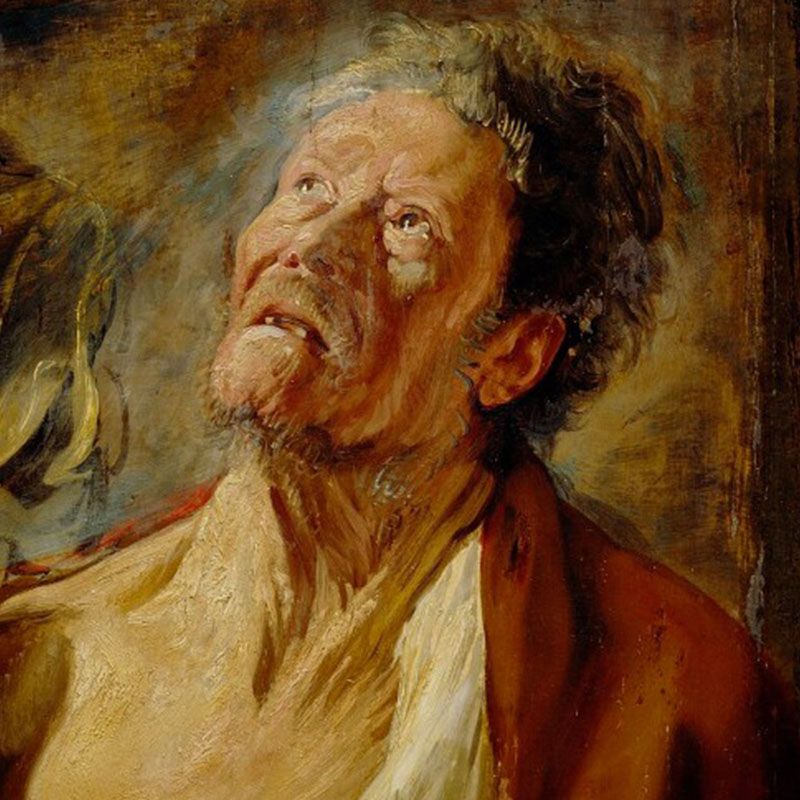
Job
Job confronts one of humanity’s most unsettling questions: how does conscience endure when power, suffering, and justice seem radically out of alignment. By insisting on moral integrity even in the face of overwhelming authority and undeserved suffering, Job affirms a core insight of liberty—that the individual conscience may stand in judgment when power offers no answers.
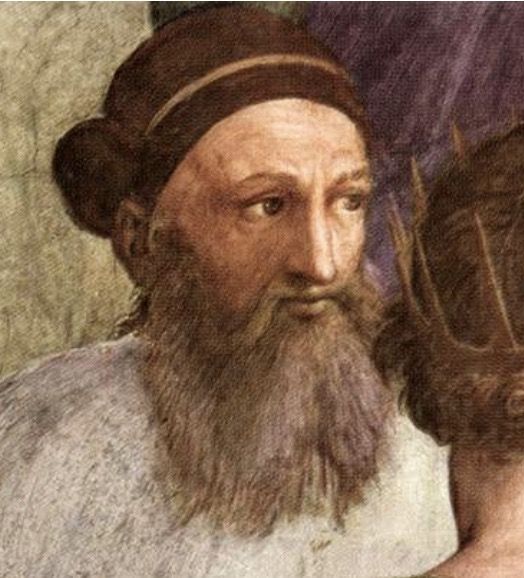
Zarathushtra
Zarathustra recasts freedom as a moral choice at the heart of human life, namely, truth over falsehood and justice over domination. By grounding authority in ethical responsibility rather than inherited power, his vision made individual conscience a decisive force in the struggle against tyranny. Zarathustra sharpens liberty into a stark moral choice, casting human freedom as allegiance between Ahura Mazda and Ahriman—a dualism that made judgment, heaven, and hell the ultimate consequences of choosing good or evil.
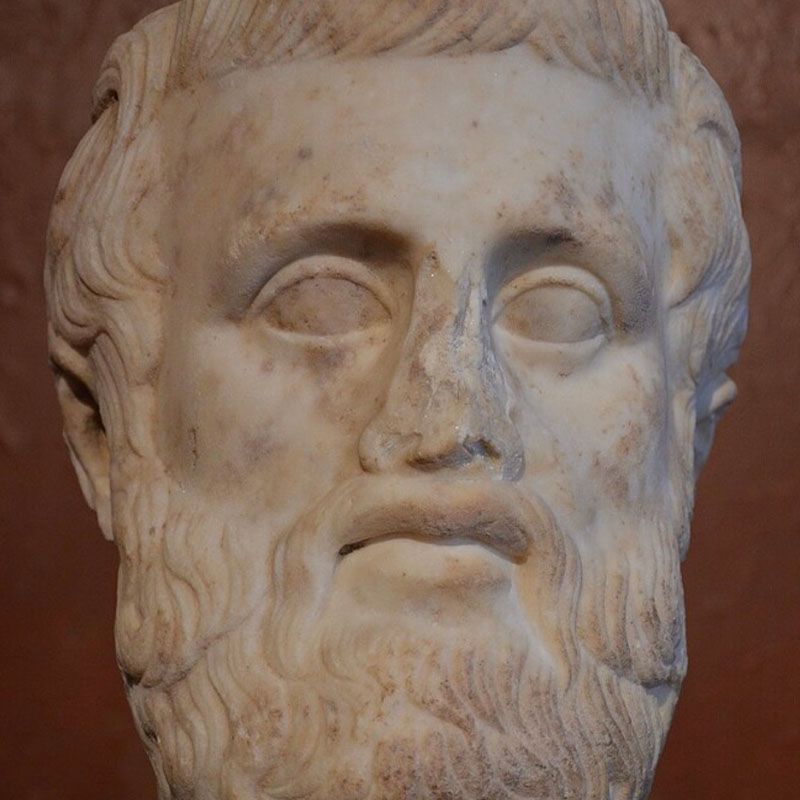
Sophocles
Sophocles confronts the collision between lawful authority and the claims of conscience. By dramatizing the cost of obedience when law becomes unjust, he sharpened a permanent question for free societies—when, if ever, must moral duty stand against the commands of the state? In Antigone, Sophocles turns tragedy into an indictment of the state, opposing the laws of the gods to rulers who confuse authority with justice and showing that liberty perishes when power refuses to recognize any limit beyond itself.
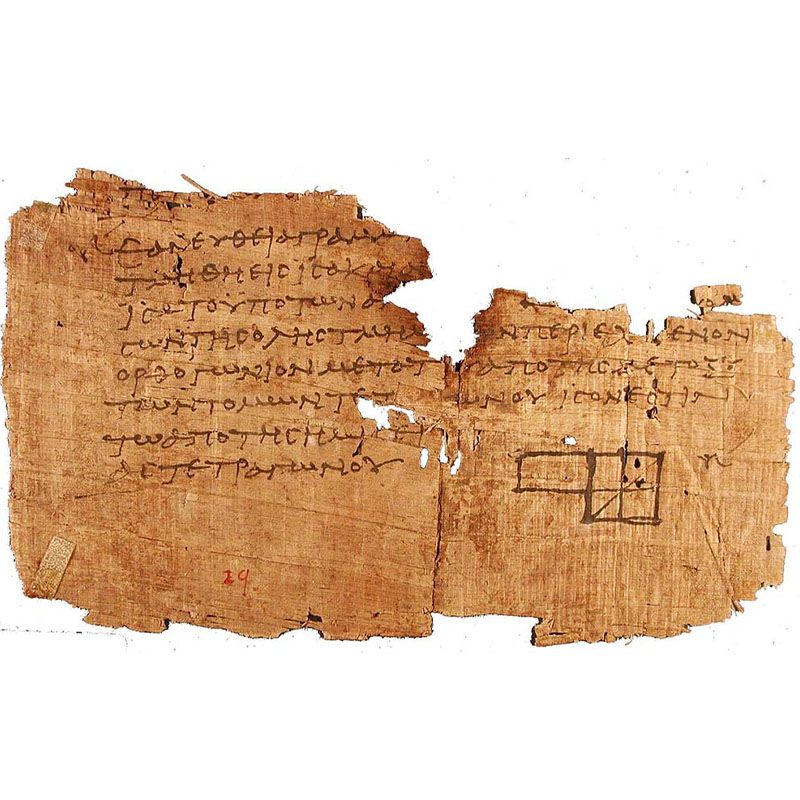
Euclid
Euclid demonstrated that truth can be established by transparent rules, shared definitions, and logical proof rather than authority or force. He sought to understand the order of the physical universe and the subjection of all men, including rulers, to that order.
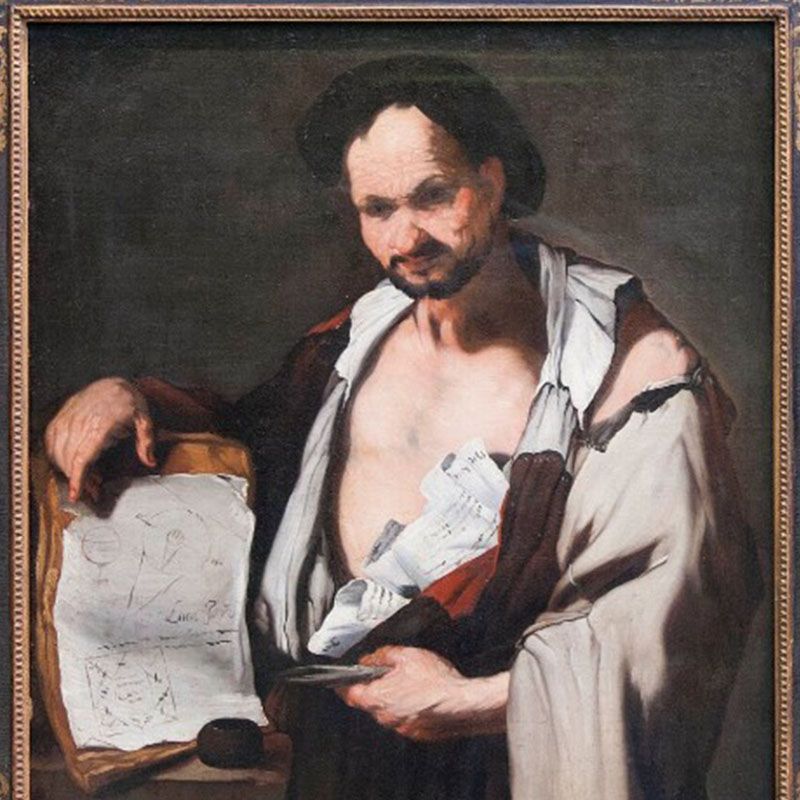
Thales
Thales marks a quiet revolution in equal human dignity by insisting that the world can be understood through reason rather than myth or command. By seeking lawful order in nature itself, he helped free inquiry from authority—laying the groundwork for a tradition in which truth is discovered, debated, and revised, not decreed. Aristotle regarded Thales as the inventor of philosophy.
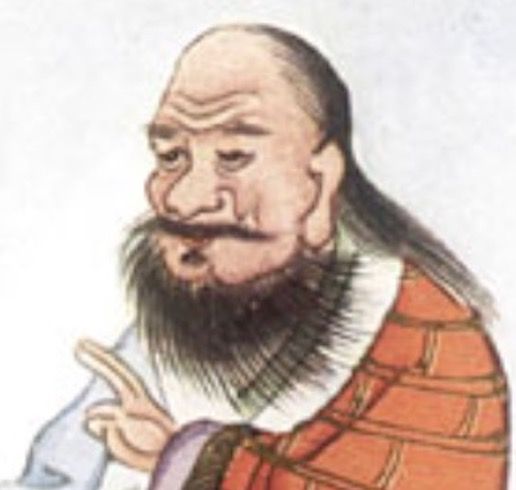
Lao Tzu
Lao Tzu teaches that the least coercive power is the most enduring. By teaching that order arises from restraint, humility, and non-domination rather than force, he articulated a radical insight—that freedom is preserved when rulers govern lightly and allow human life to unfold without compulsion.
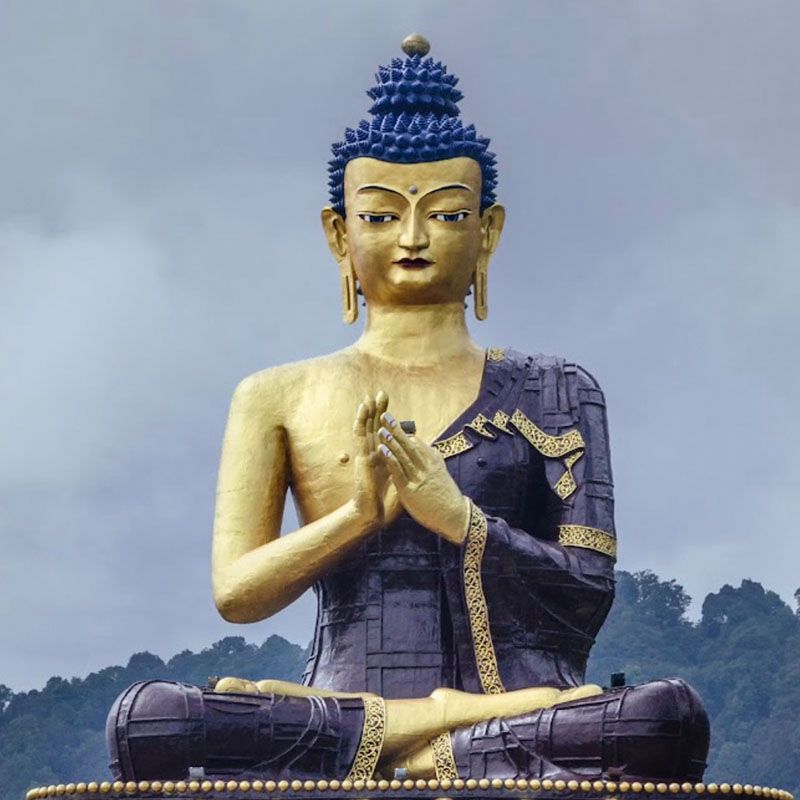
Buddha
The Buddha redefines enlightenment as freedom from coercion at its deepest source—unchecked desire, fear, and attachment. By teaching that suffering and domination arise from the same inner causes, he advanced a lasting insight: no society can be free unless individuals cultivate self-mastery, compassion, and restraint.
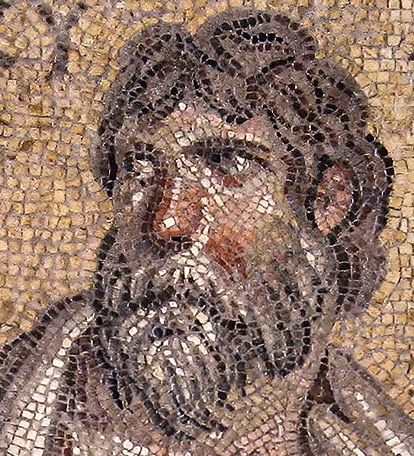
Thucydides
Thucydides shows how fear, ambition, and power corrode law when restraint fails. By exposing how free societies can destroy themselves from within, he delivers a hard lesson at the core of liberty’s history: institutions and ideals endure only when citizens understand—and discipline—the uses of power.
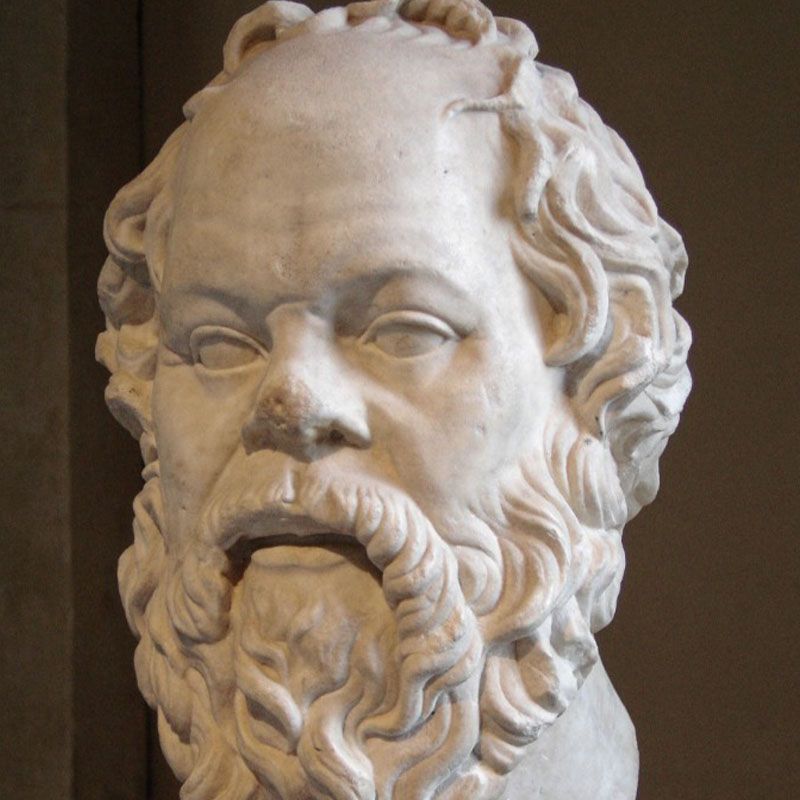
Socrates
Socrates, the first great philosopher of the ancient world, insisted that no authority—political, religious, or popular—is beyond questioning. By defending the freedom of conscience and inquiry even at the cost of his life, he forged a lasting principle of free societies: truth-seeking must be protected from the power it unsettles.
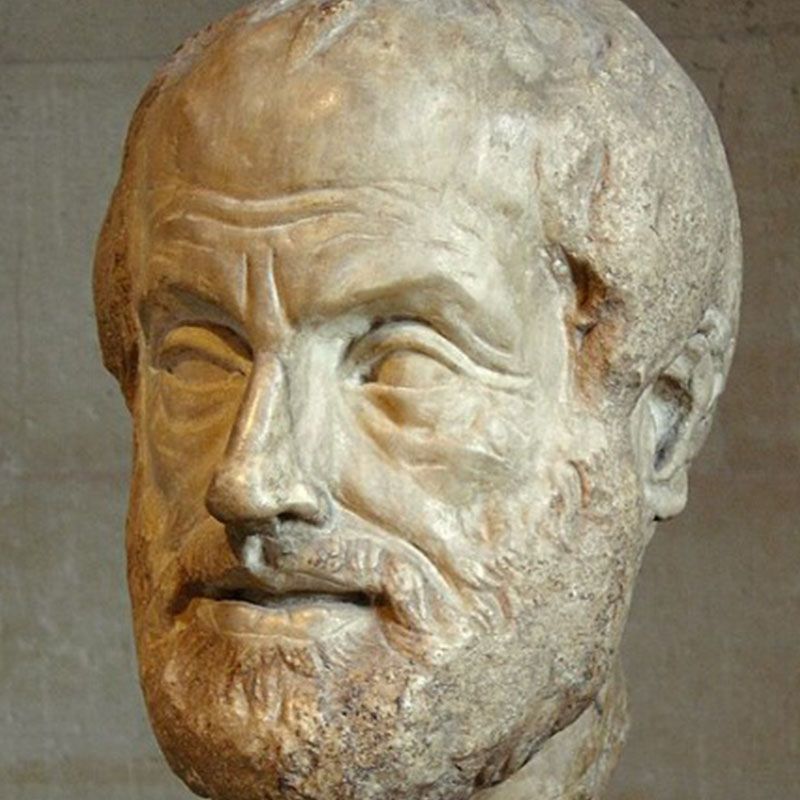
Aristotle
Aristotle valued constitutional order, arguing that freedom survives only where law rules rather than men. By defending mixed government, the rule of law, and civic virtue, he offers a durable lesson for free societies: liberty is preserved not by passion or will, but by institutions that discipline power through reasoned law.
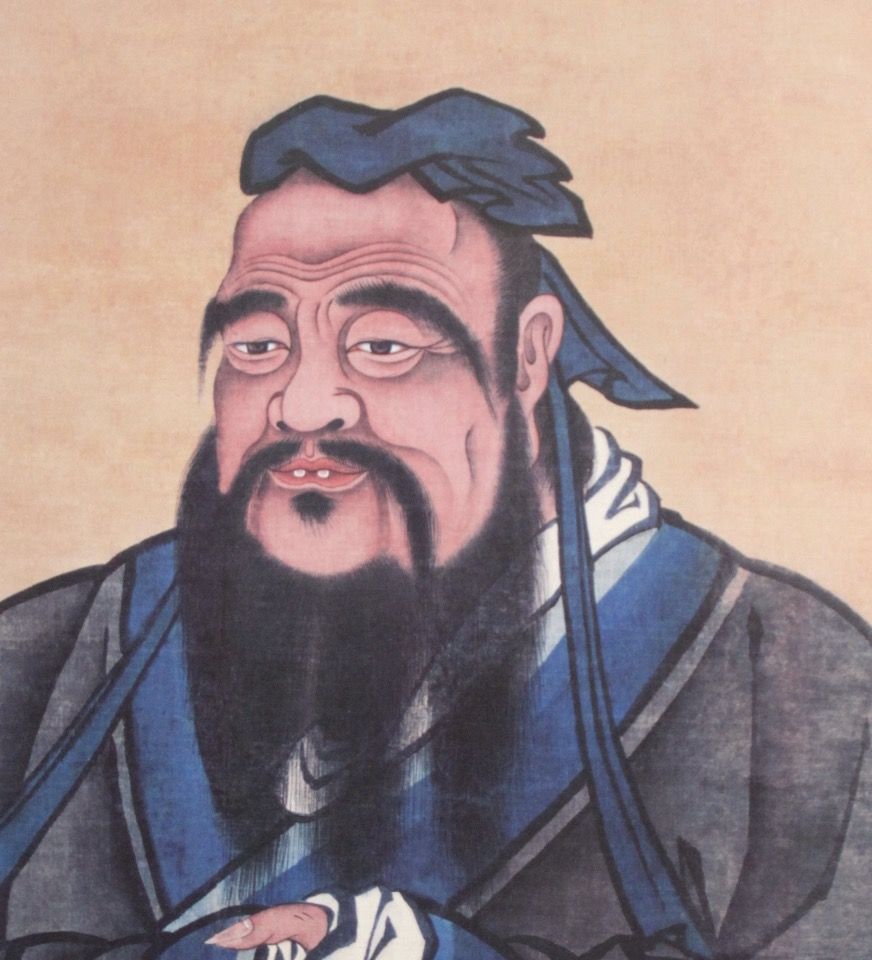
Confucius
Confucius advocates the moral cultivation of those who exercise power. By teaching that rulers govern legitimately only through virtue, ritual restraint, and reciprocal obligation, he advanced a durable insight: order is most free when power is disciplined by character rather than enforced by fear. The virtue of the ruler is the most powerful check on the abuse of power.
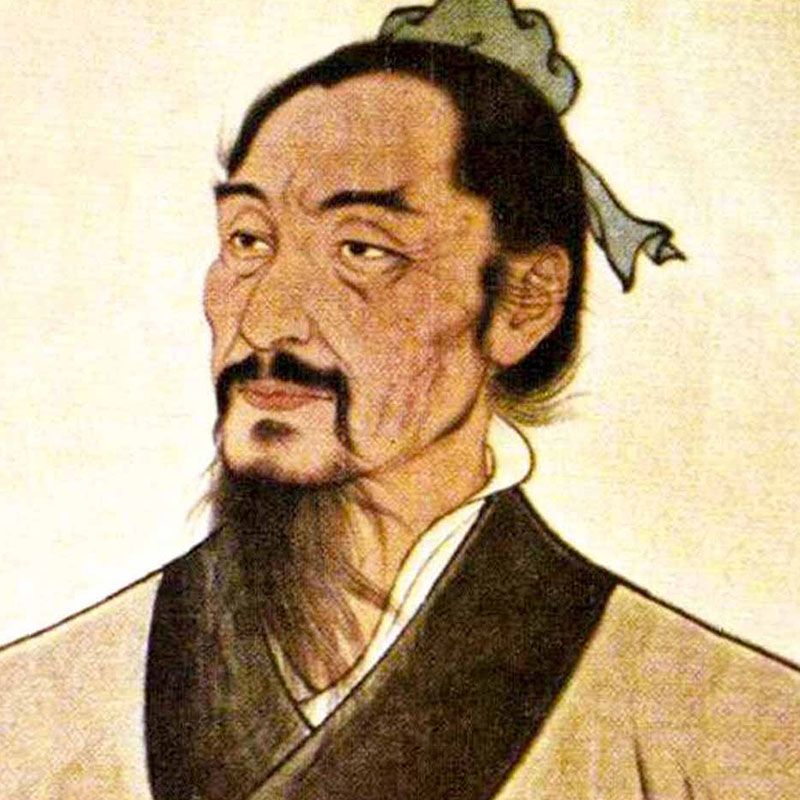
Mo Tzu
Mo Tzu challenges privilege and hereditary power by arguing that authority is legitimate only when it serves the common good. By defending impartial care, merit, and restraint in warfare and governance, he advanced a radical claim for liberty’s history: power must justify itself by its benefits to all, not by tradition, rank, or force.
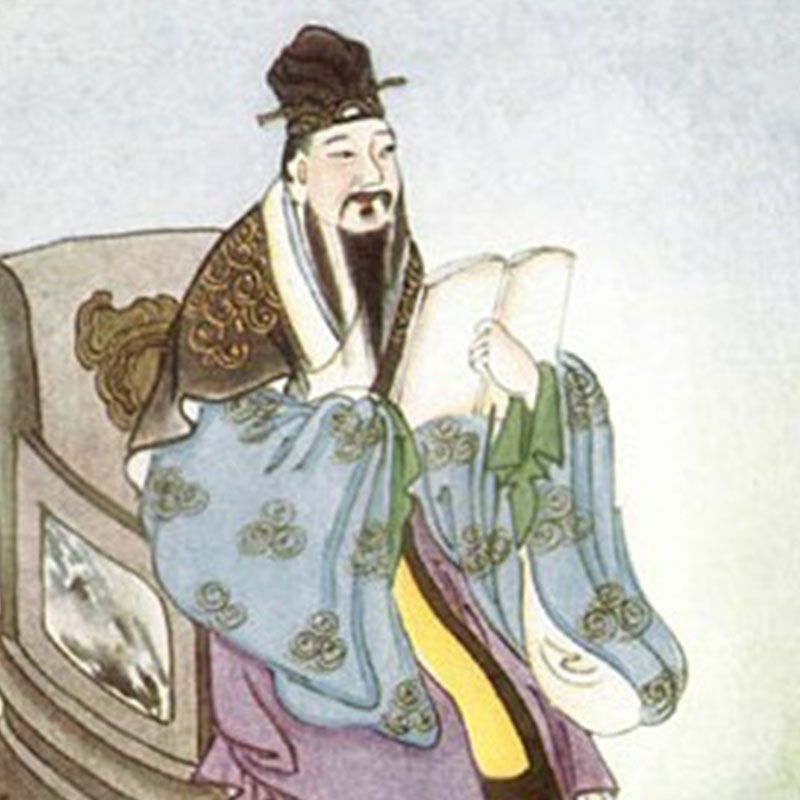
Mencius
Mencius deepens Confucian liberty by arguing that political authority rests on moral legitimacy, not force or heredity. By insisting that rulers who abandon justice forfeit the right to rule, he advances a powerful principle of liberty: the people are not bound to obey power that has lost its moral foundation. He taught that the well-being of the common people was best promoted by low taxes, free trade, and peace.
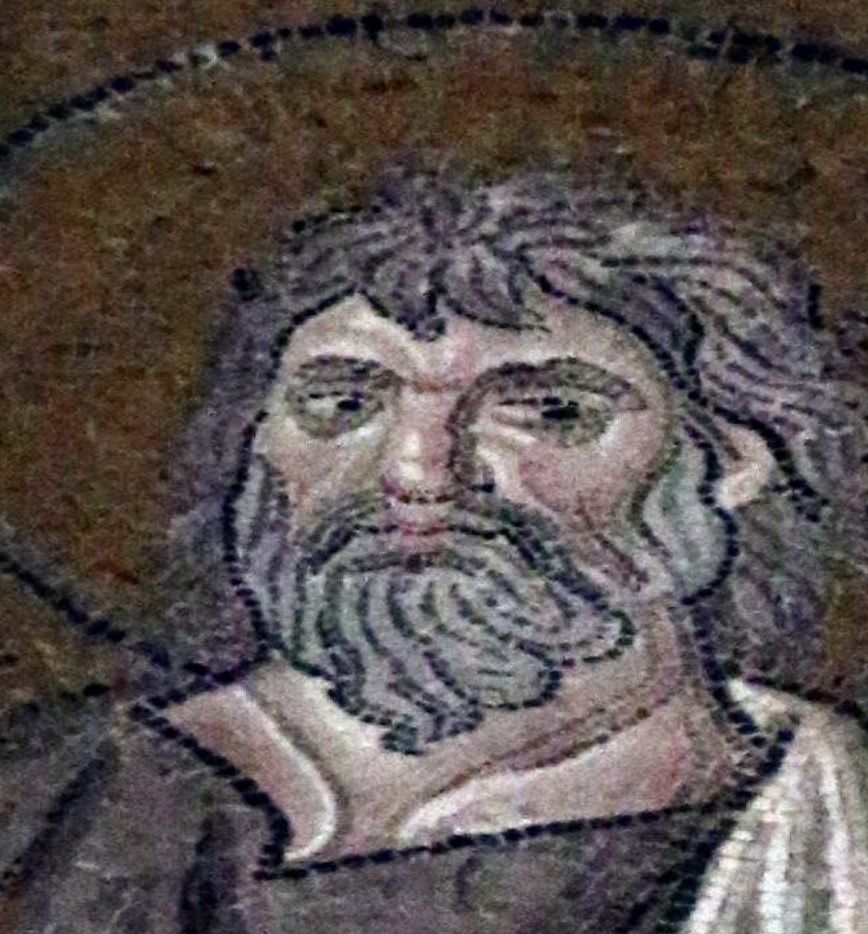
Jeremiah
Jeremiah exposes the ultimate vulnerability of power: laws, temples, and institutions cannot preserve a society that has abandoned justice. By insisting that liberty depends on inner moral commitment as much as outward obedience, he deepened the idea that no political order endures without conscience, accountability, and truth.
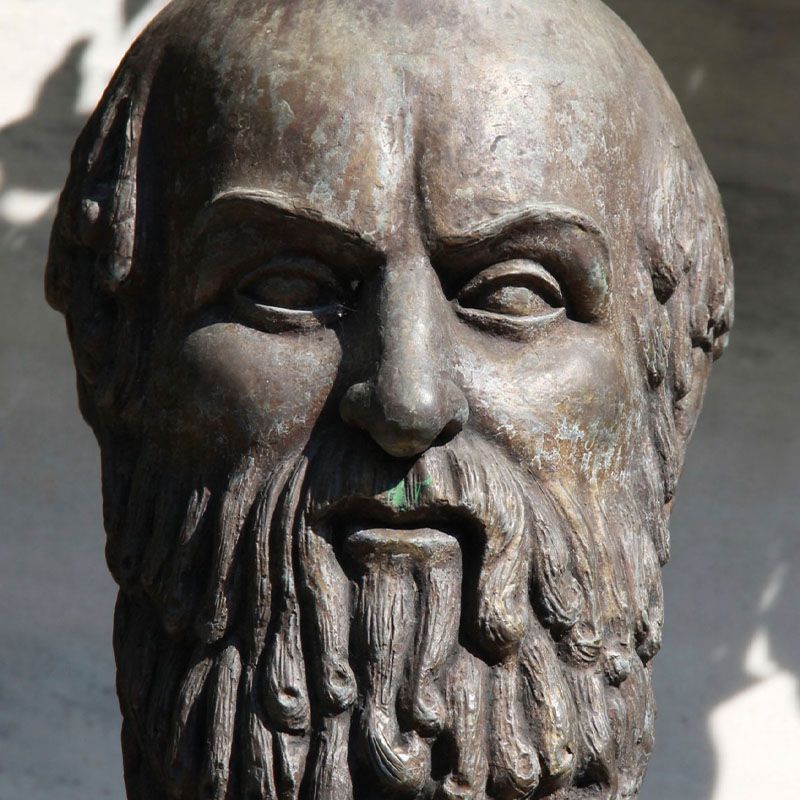
Aeschylus
Aeschylus stages one of liberty’s great turning points: the passage from vengeance and private power to public law and judgment. By dramatizing the replacement of blood feud with lawful courts, he advanced a foundational insight of free societies—that justice must be institutionalized, impartial, and accountable rather than enforced by force or revenge.
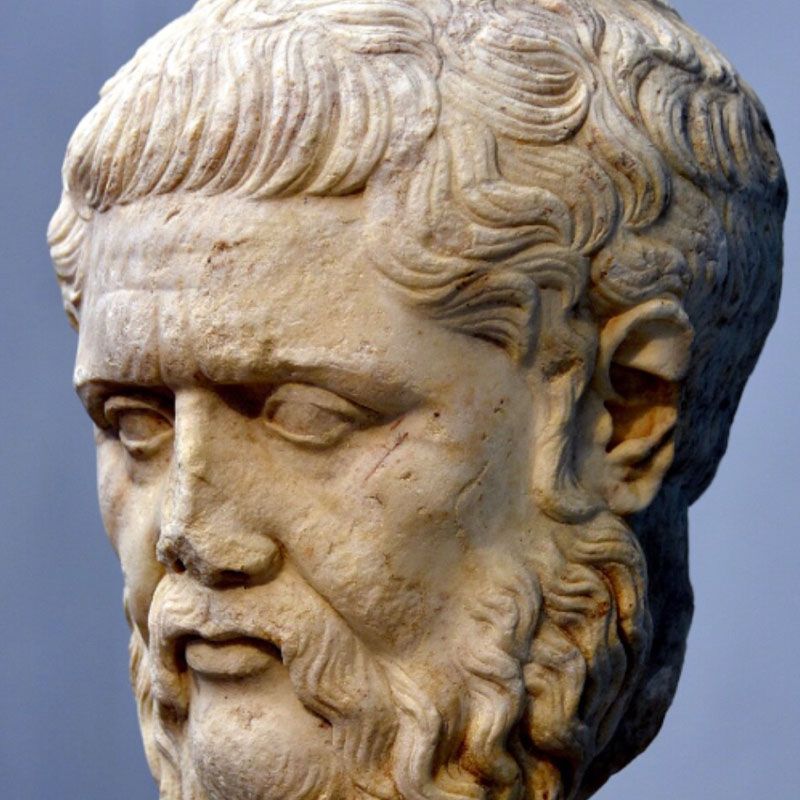
Plato
In response to the Sophists’ claim that values are relative and power serves private interest, Plato emphasied universal moral truths, arguing that justice depends on absolute standards of right and wrong and is secured only when political power is entrusted to philosopher-rulers capable of governing for the common good rather than personal gain.
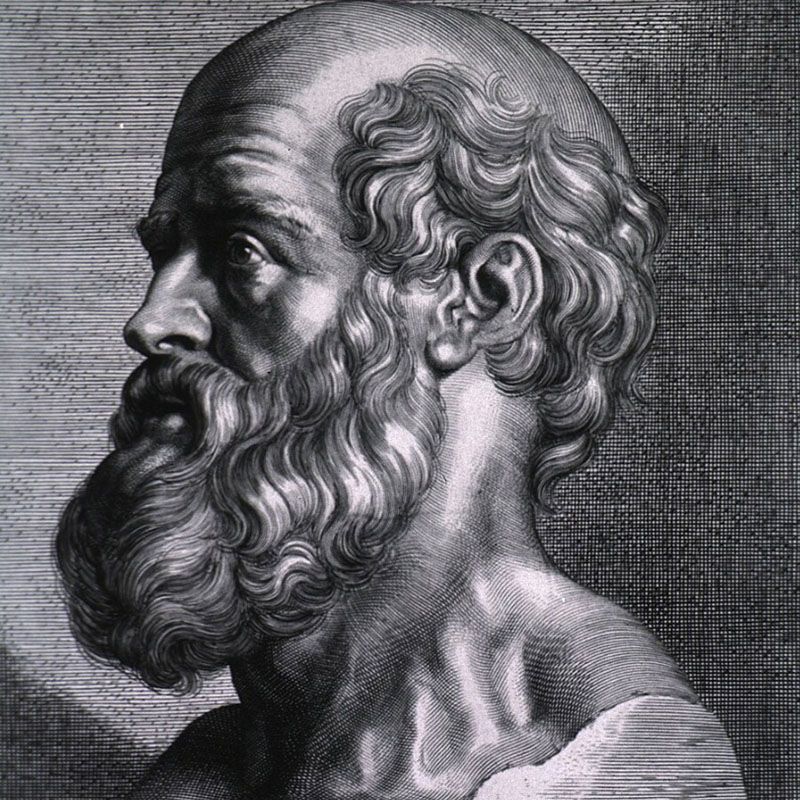
Hippocrates
Hippocrates, the father of medicine in the ancient world, insisted that health and disease must be understood through observation, reason, and careful study. By challenging superstition and placing human well-being at the center of inquiry, he established principles that continue to guide medicine today. His legacy endures in the belief that knowledge, integrity, and compassion are essential to the pursuit of healing.