Chronological collection
300 - 600 AD
A chronological collection represented on the Goodrich Seminar Room wall for 300 - 600 AD.
Open this wall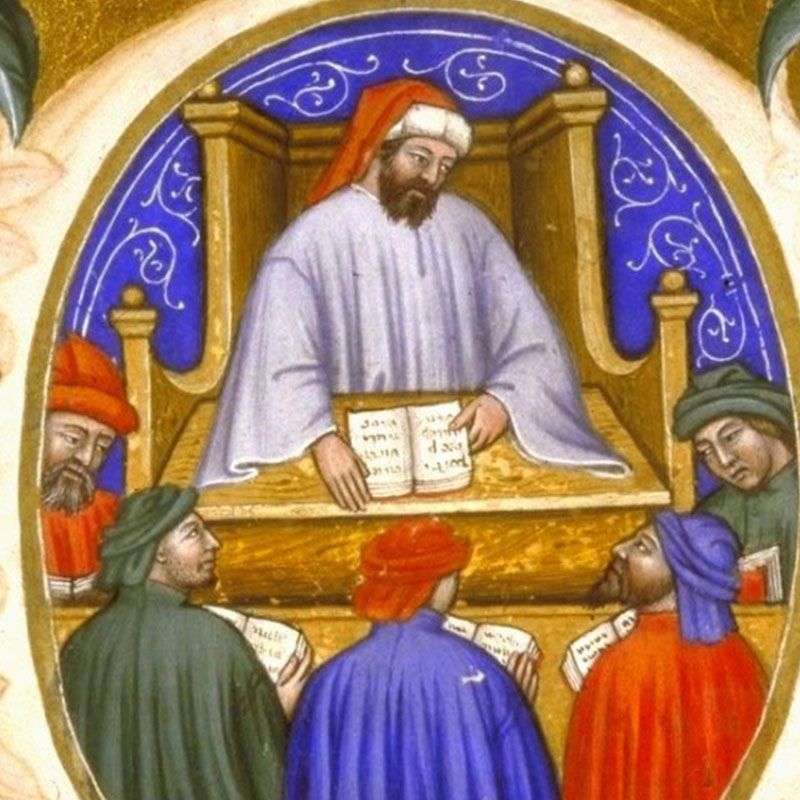
Boethius
Boethius confronts tyranny, asking how freedom can survive when power is arbitrary and fortune cruel. He taught that all is subordinate to a higher realm, the summum bonum, or highest good. By locating true freedom in reason, conscience, and the rule of law over chance and force, he offers a final classical insight for free societies: power may imprison bodies, but it cannot command truth or inner freedom.
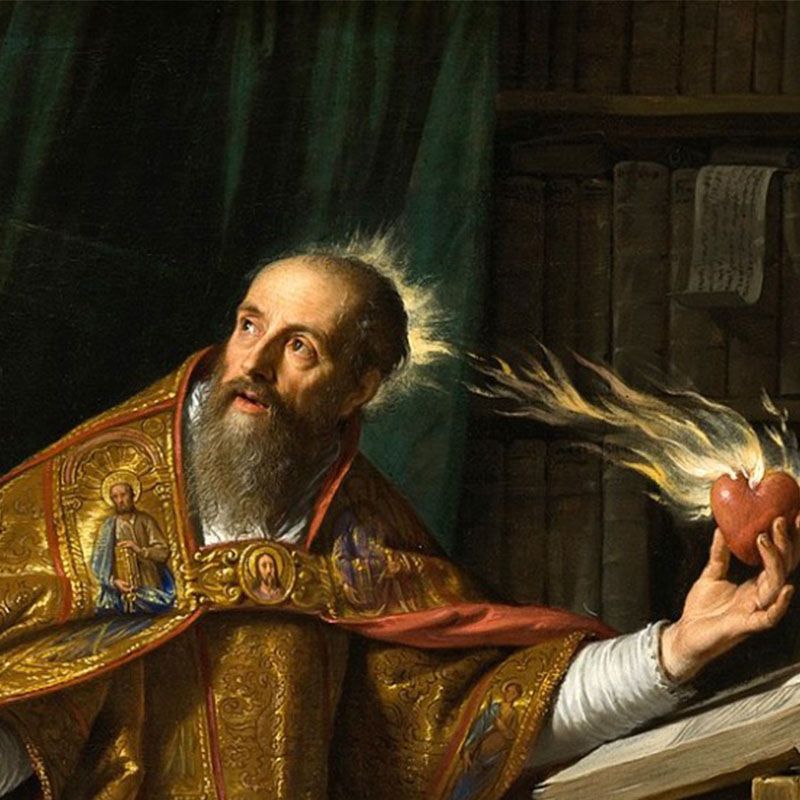
Augustine
Augustine separates power from ultimate authority, arguing that no earthly state can claim moral sovereignty over the soul. By distinguishing the City of Man from the City of God, he delivers a lasting warning to free societies: political order is necessary, but liberty is lost when power pretends to be ultimate.
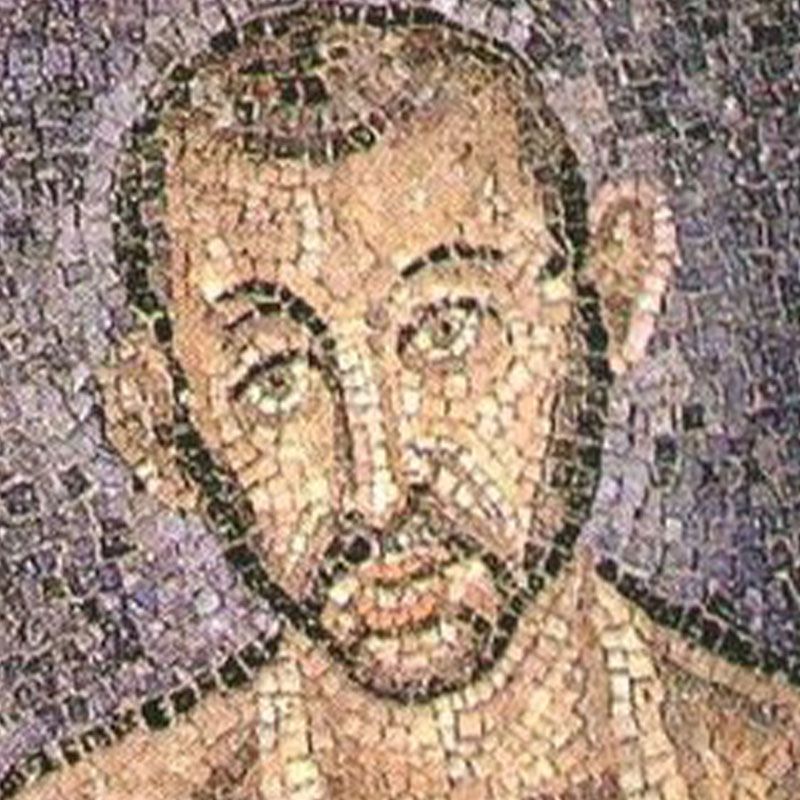
Ambrose
Ambrose asserts the independence of moral law from political power, insisting that rulers themselves stand accountable to justice and conscience. He taught that the church must guide the ruler and, if necessary, oppose him. By confronting imperial authority and defending the primacy of ethical obligation, he advances a decisive principle of liberty: power is legitimate only when it submits to moral limits beyond itself.
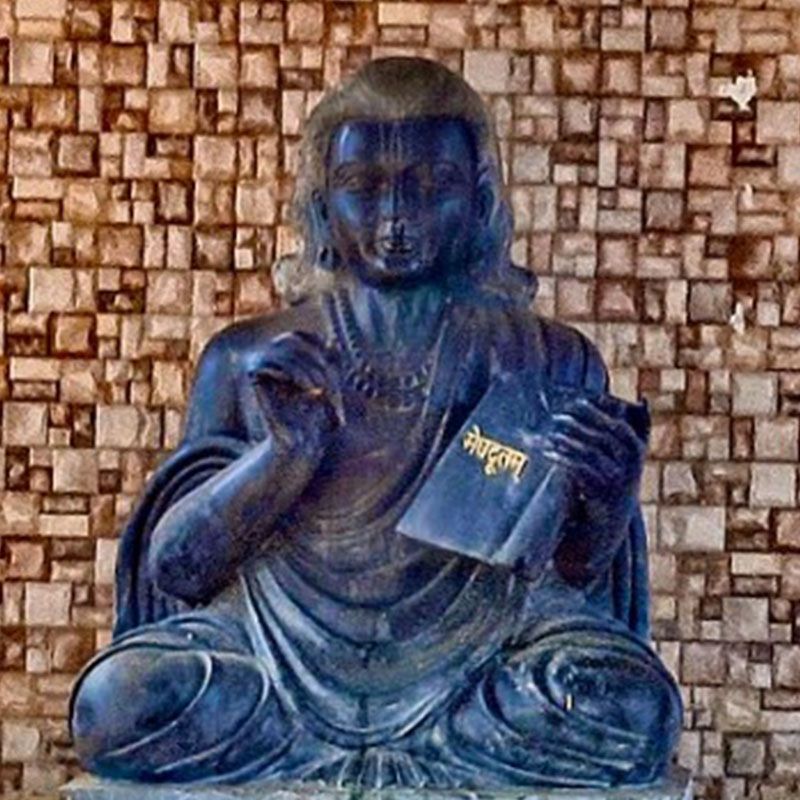
Kalidasa
Kalidasa explores dharma—the moral law that binds rulers and subjects alike—showing how power must answer to justice, memory, and rightful order. By dramatizing legitimacy, consent, and restraint in love and kingship, he affirms a durable insight: authority endures only when it honors law and moral obligation beyond impulse or force.
Roman Chant
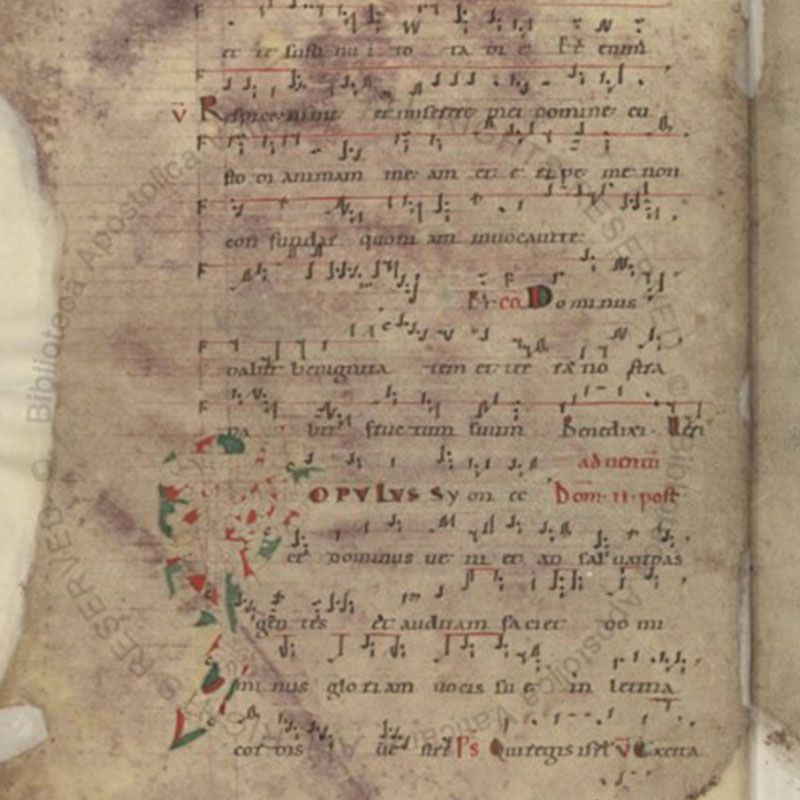
Roman Chant, whose principal source is the Book of Psalms, helped develop the Western idea of the interior self. This interior moral freedom becomes the seed of later ideas of individual rights and freedom of conscience. Chant transmitted the belief that every human being has equal worth before God and the idea of a law higher than kings. It shaped the foundation of the civilization that later articulated human rights and constitutional government.
Benedict
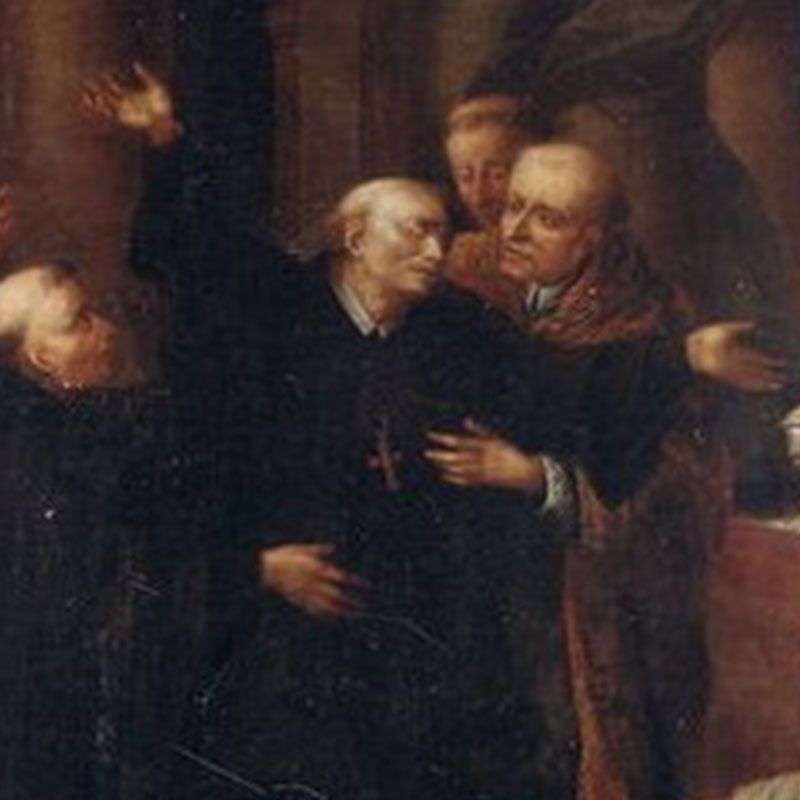
Benedict seeks to discipline power at its smallest and most durable scale: the daily life of a community. By binding authority to rule, consent, and moral restraint, he advances a quiet but enduring insight of free societies—freedom survives where power is limited by shared norms, accountability, and ordered self-government.