Chronological collection
300 - 0 BC
A chronological collection represented on the Goodrich Seminar Room wall for 300 - 0 BC.
Open this wall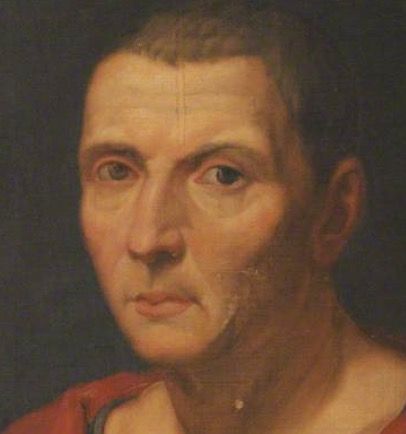
Cicero
Cicero argued that freedom survives only where power is bound by justice, custom, and constitutional order. By defending mixed government, natural law, and civic duty, he gives Rome—and later republics—a lasting lesson: liberty is preserved when law rules rulers, not the other way around. He spent much of his adult life fighting the rise of dictatorship and defending liberty.
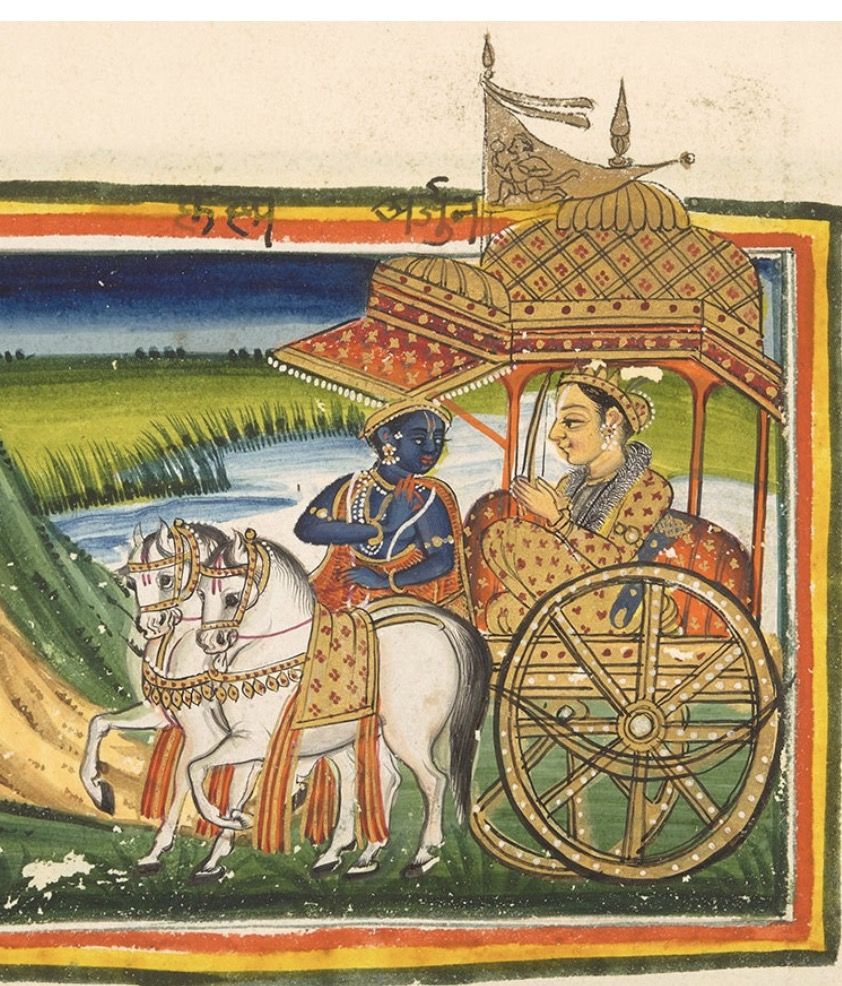
Bhagavad Gita
The Bhagavad Gita called for disciplined action guided by conscience rather than impulse or fear. By teaching that freedom lies in acting justly without attachment to power, reward, or domination, it offers a lasting insight for free societies: self-mastery is the first restraint on tyranny.
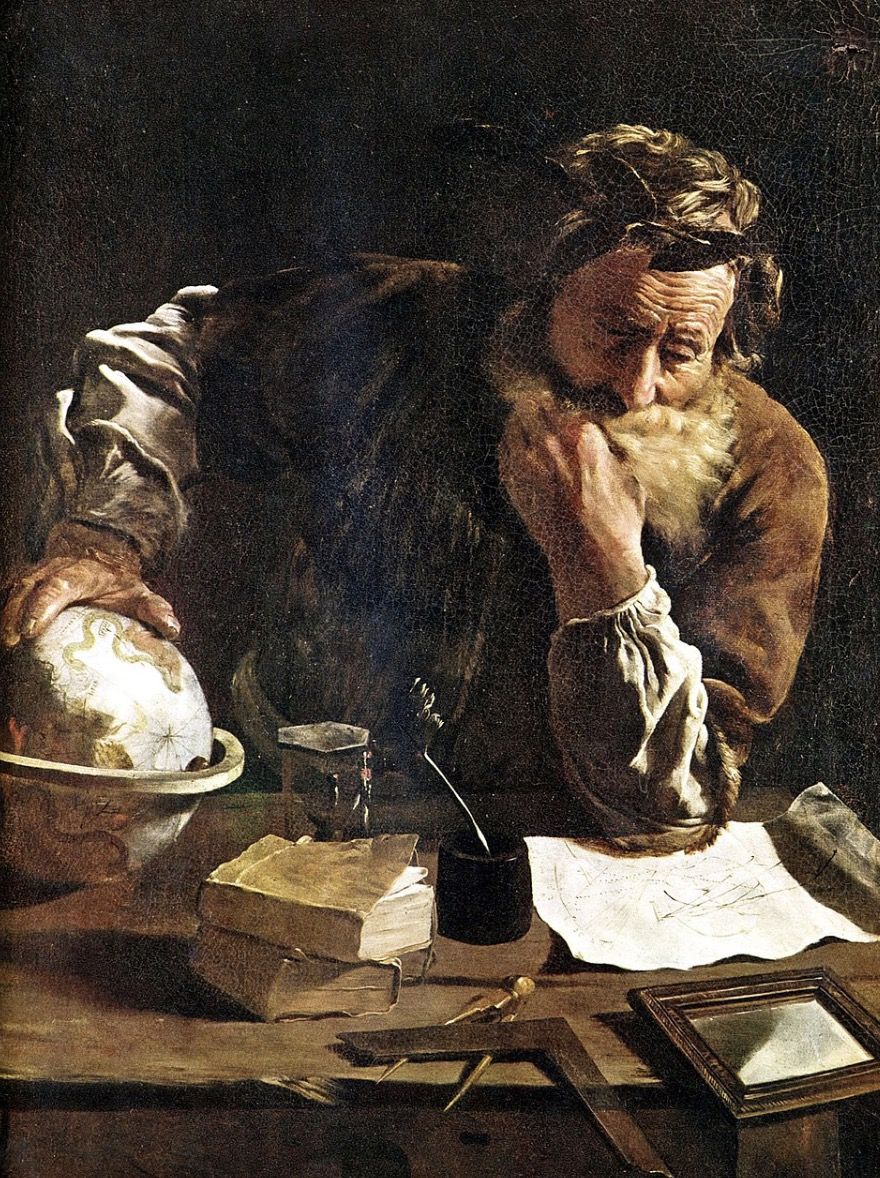
Archimedes
Archimedes pressed for disciplined reason rather than command or tradition. By proving that nature yields to transparent rules and demonstrable proofs, he models a core principle of free societies: authority over knowledge rests with reason anyone can test—not with power that demands obedience. He affirmed that there is order in the natural world, and all men, including rulers, are subject to it.
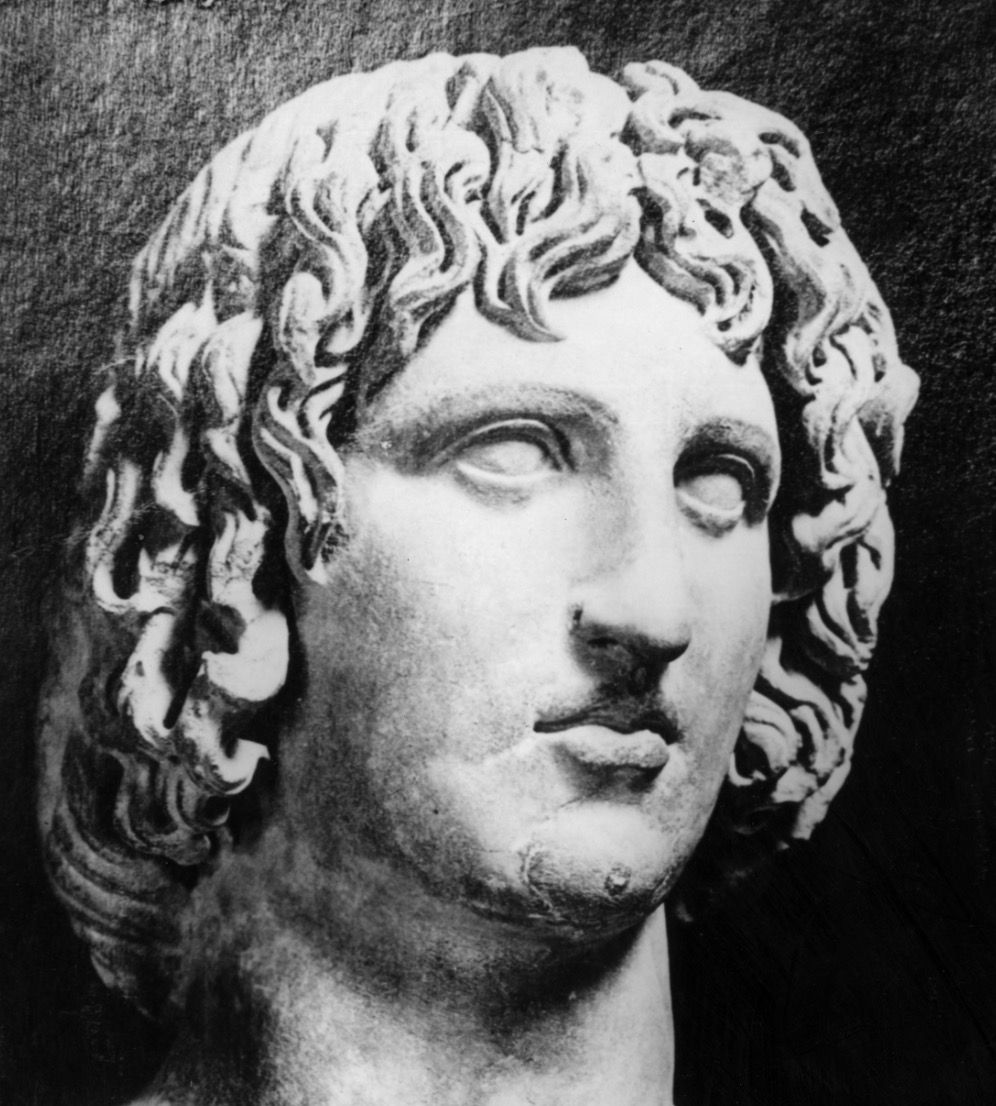
Virgil
Virgil shows how freedom is sustained not by impulse or glory but by duty, sacrifice, and submission to just order. In tracing the rise of Rome from chaos to lawful destiny, he offers a sober insight for republics and empires alike: liberty endures only when power accepts limits imposed by law, tradition, and responsibility to the future.