Chronological collection
0 - 300 AD
A chronological collection represented on the Goodrich Seminar Room wall for 0 - 300 AD.
Open this wall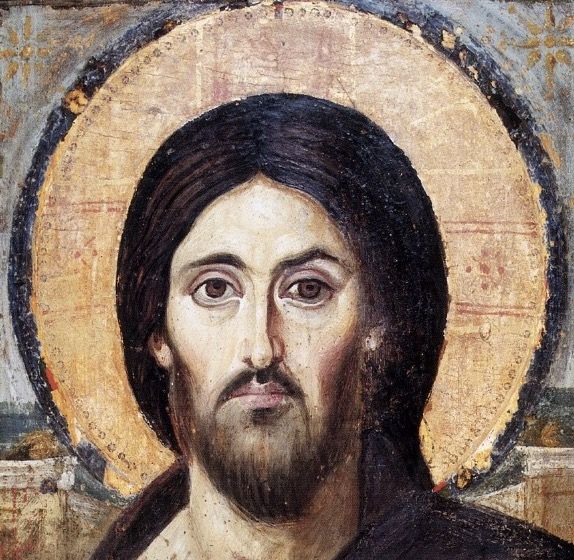
Jesus Christ
Jesus of Nazareth teaches the superiority of the moral transformation of the person rather than the seizure of power. He underscored the central place of the individual. By teaching that authority is legitimate only when it serves the vulnerable and restrains domination, he advanced a lasting claim: freedom endures where conscience, humility, and love set limits on power.
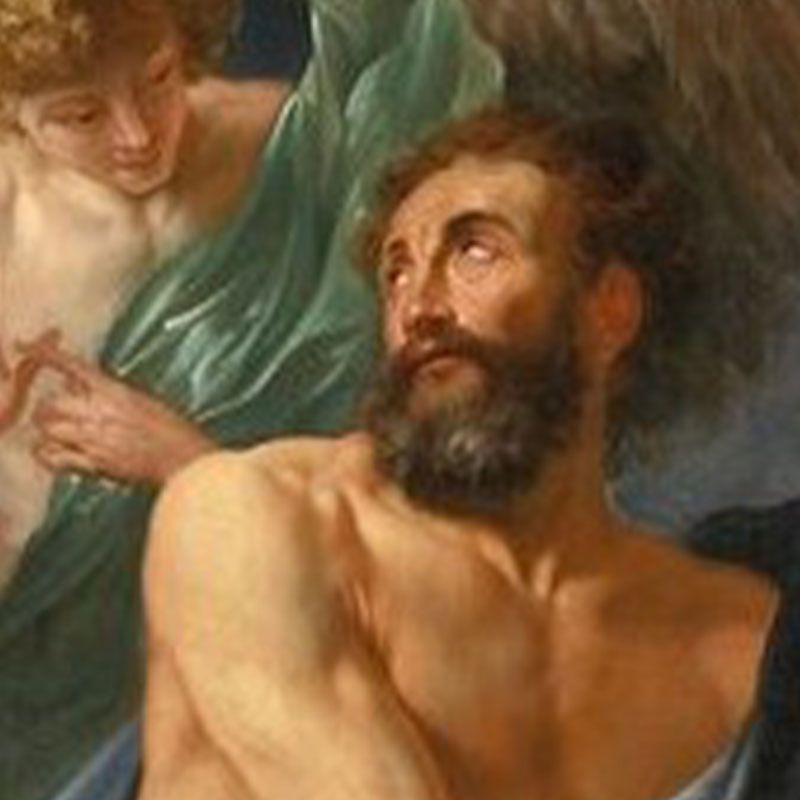
Matthew
Matthew translates moral teaching into a public ethic, presenting liberty as life ordered by justice, mercy, and restraint rather than domination. By framing authority as service and law as accountability to a higher moral standard, his Gospel helped anchor freedom in conscience and communal obligation rather than force.
Mark
Mark adumbrates the paradox of power renounced: authority is revealed not in domination, but in suffering service. By portraying leadership as self-giving rather than coercive rule, his Gospel advances a demanding insight for free societies—power is most legitimate when it refuses to exploit fear, force, or privilege
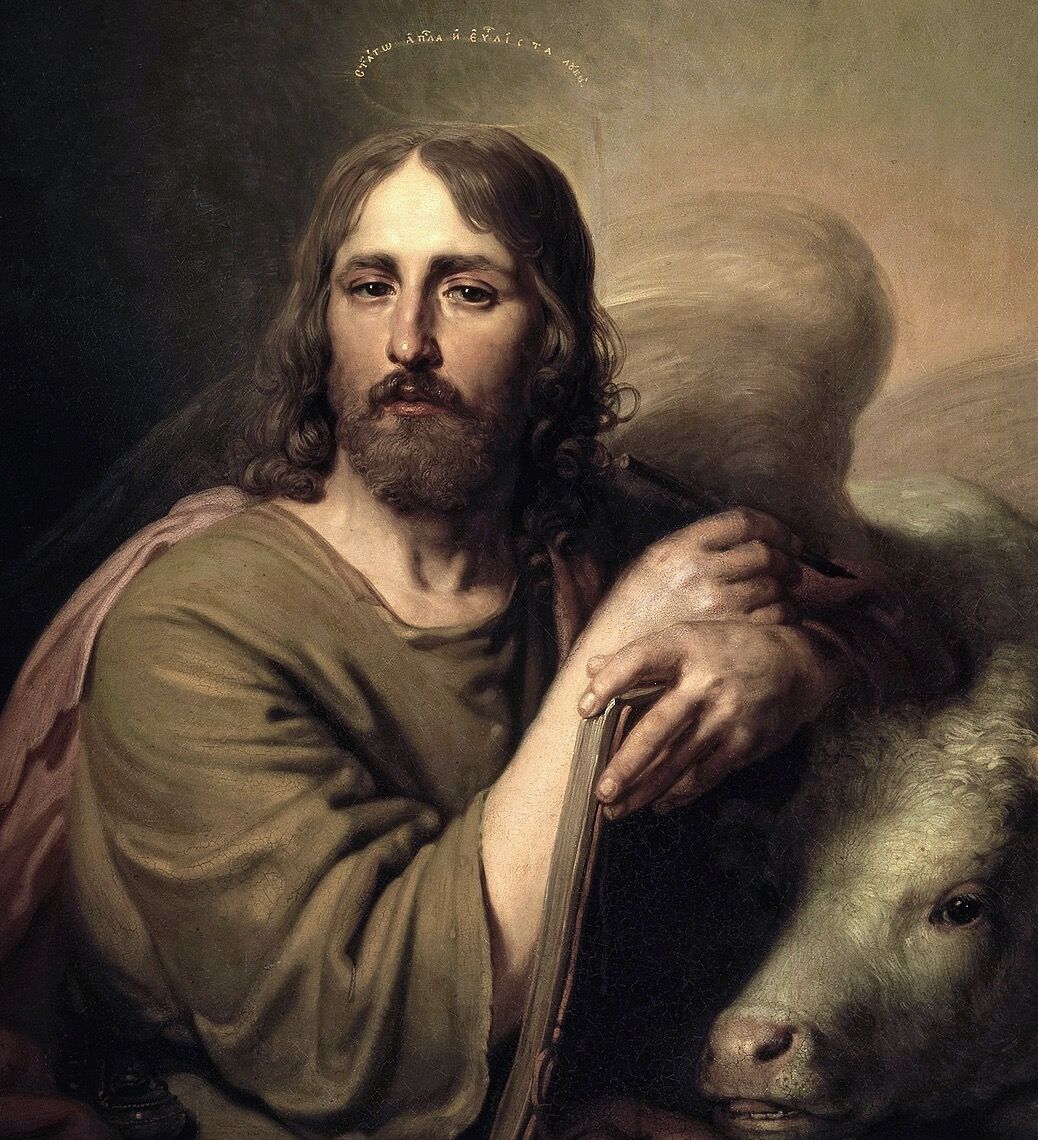
Luke
Luke confronted entrenched power on behalf of the poor, the outsider, and the captive. By insisting that authority is accountable to mercy and inclusion, his Gospel advances a civic insight of freedom: societies are judged by how power treats the least protected.
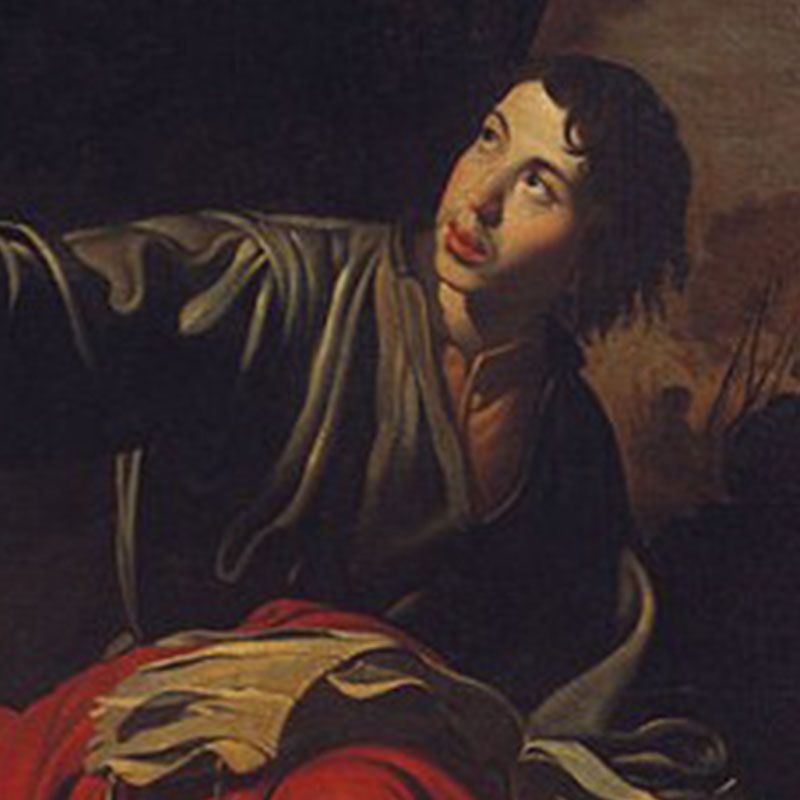
John
John taught that truth frees the person from fear, falsehood, and domination. By insisting that genuine authority rests in truth rather than coercion, his Gospel advances a decisive insight for free societies: power loses legitimacy when it is severed from truth.
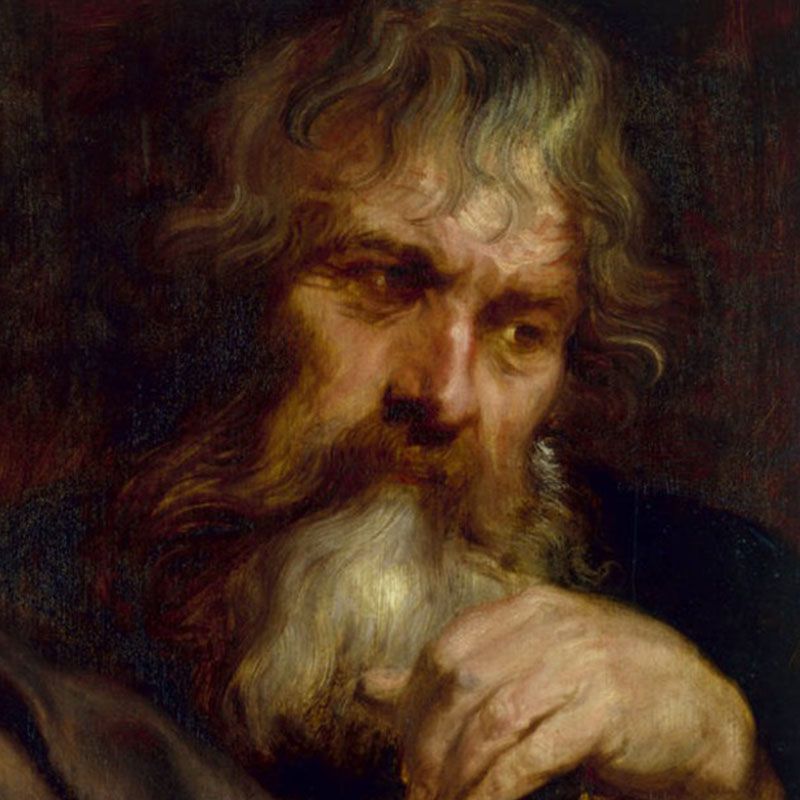
Paul
Paul contended that freedom rests in conscience and moral equality rather than status, ethnicity, or force. By teaching that law serves justice—and that power is accountable to truth and love—he helped universalize a principle essential to free societies: authority is legitimate only when it respects the equal dignity of persons.
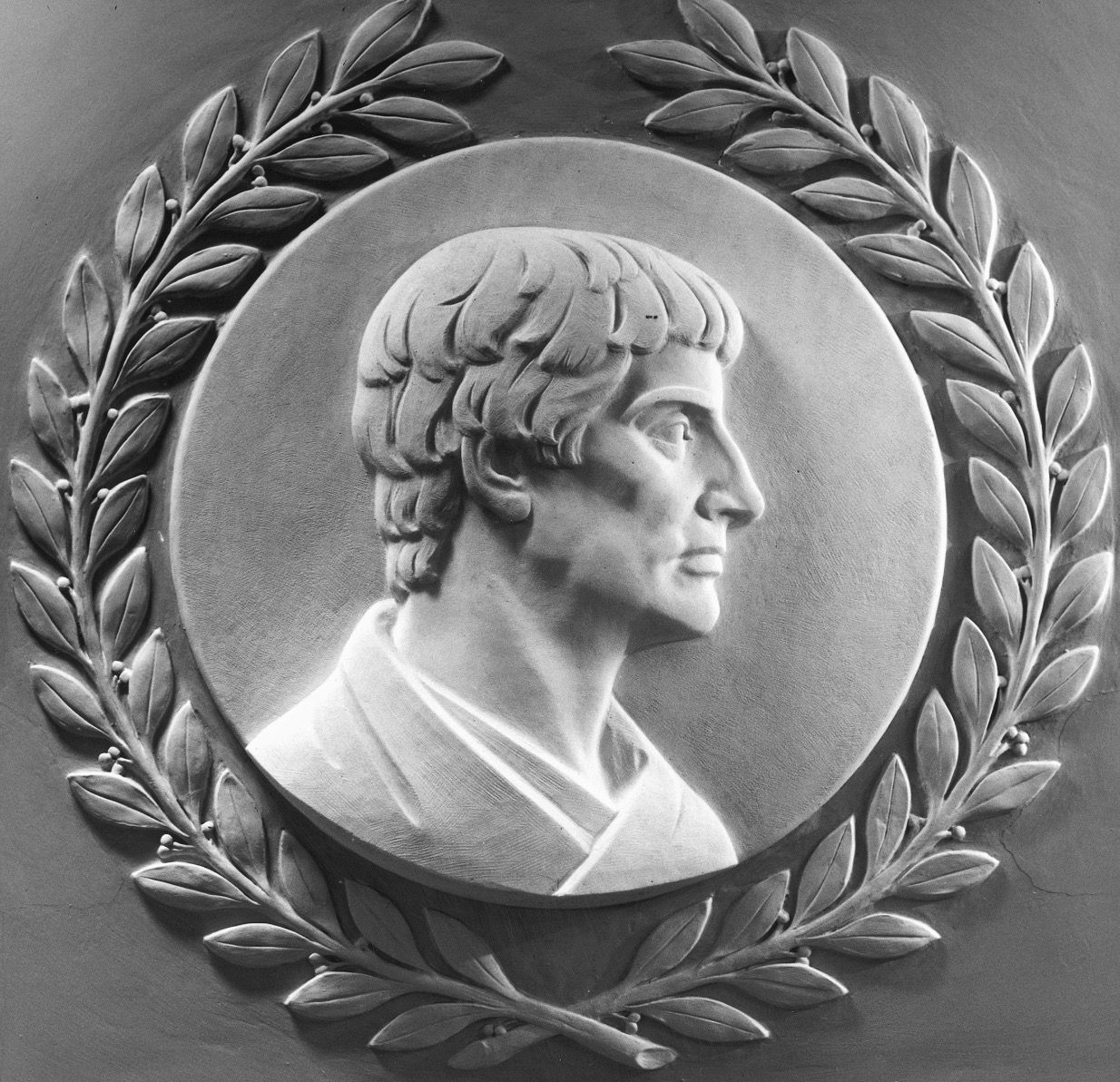
Gaius
Gaius shows how freedom depends on clear, public, and systematic law rather than the whims of rulers. By organizing private law around status, property, obligation, and procedure, he advanced a foundational insight for free societies: liberty survives when rights and duties are defined by known rules, not discretionary power.
Origen
Origen presses liberty into the realm of interpretation and conscience, arguing that faith coerced by power is no faith at all. God, he said, gave his creation, man, the gift of freedom and reason. By insisting that truth must be sought through reasoned inquiry, moral freedom, and responsible interpretation rather than imposed authority, he advances a lasting insight: liberty survives where belief is chosen, examined, and disciplined by conscience.
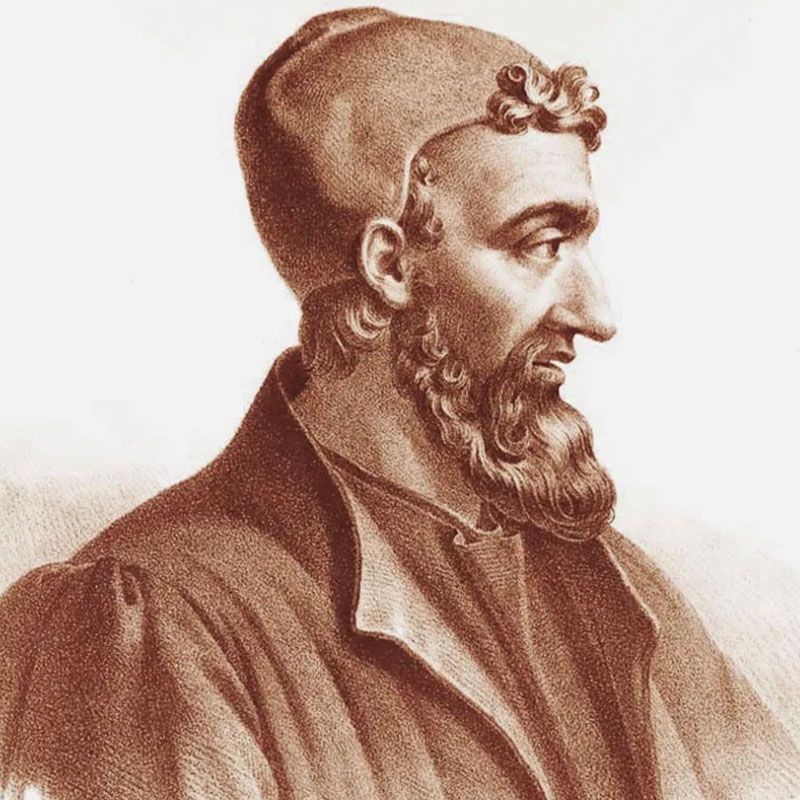
Galen
Galen insists that authority in science and medicine must rest on reasoned demonstration rather than reputation or power. By binding expertise to method, evidence, and ethical responsibility, he advances a lasting principle of free societies: no claim to authority is legitimate unless it can be rationally examined and publicly justified.
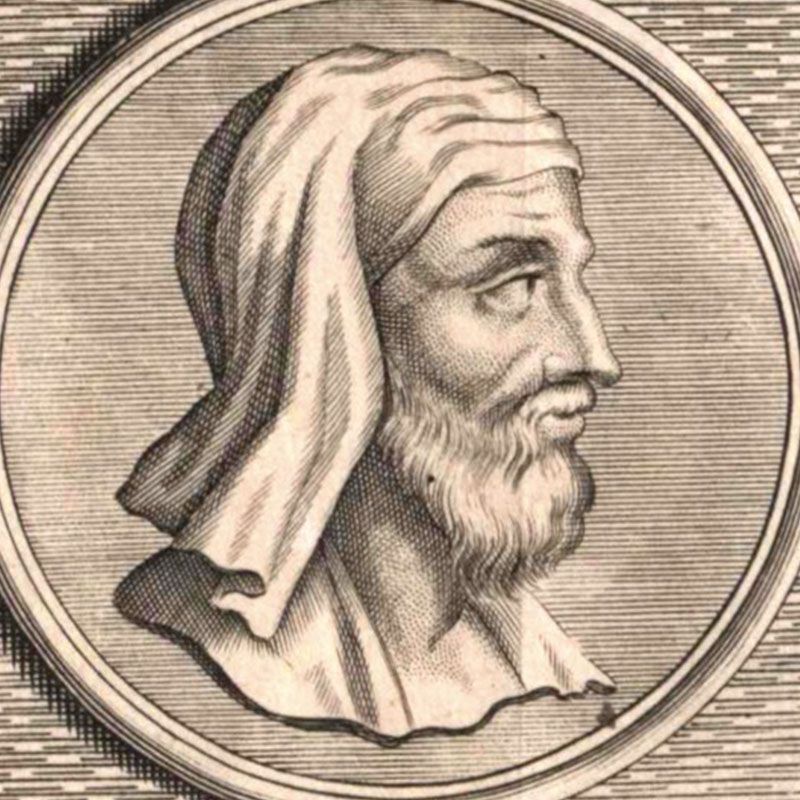
Plutarch
Plutarch shows how laws and institutions rise or fall with the moral quality of those who shape them. By comparing the lives of statesmen and lawgivers, he advances a sobering lesson for free societies: constitutional liberty depends as much on virtue and restraint as on formal rules.
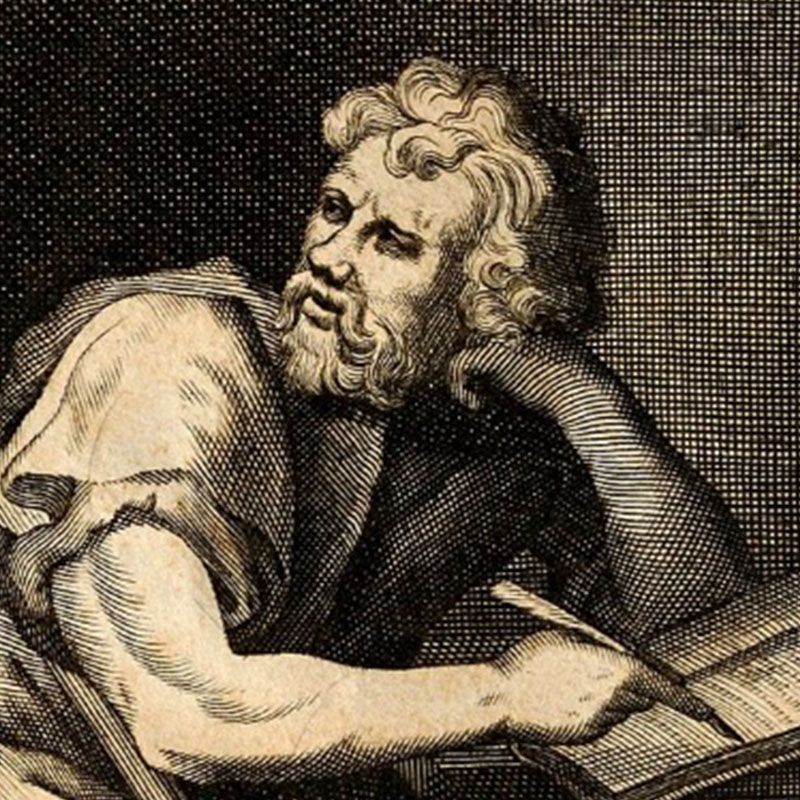
Epictetus
Epictetus argued that freedom is secured not by controlling events or others, but by mastering judgment, desire, and fear. By teaching that no external power can enslave a disciplined conscience, he offers a stark lesson for free societies: tyranny fails where inner freedom is intact.
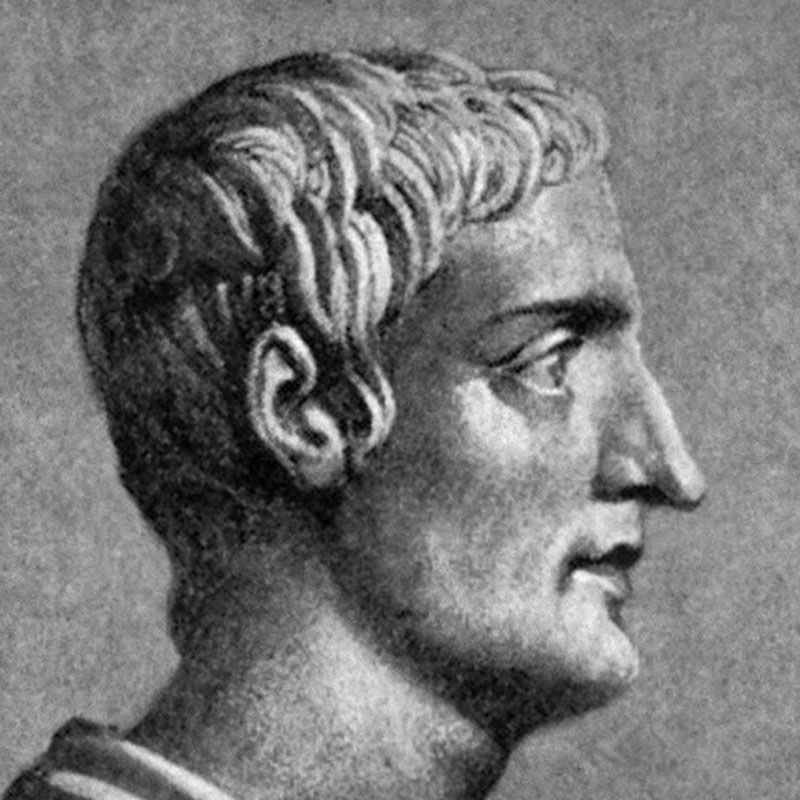
Tacitus
Tacitus exposes how liberty dies quietly under tyranny—not only through violence, but through fear, silence, and the corrosion of civic courage. By dissecting life under emperors who hollowed out republican forms, he delivers a stark warning for free societies: when truth cannot be spoken, freedom already stands condemned. He emphasized the importance of systematic institutional constraints on power, including rules of succession, to preserve liberty.
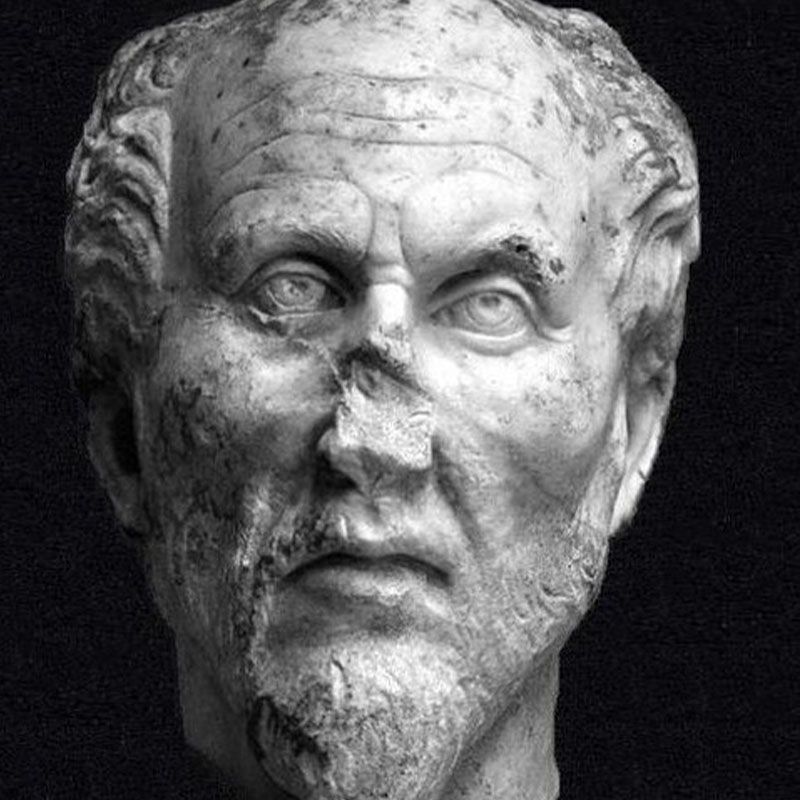
Plotinus
Plotinus argues that true freedom lies in liberation from domination by appetite, illusion, and the lower self. By grounding freedom in the soul’s ascent toward unity, discipline, and rational order, he offers a lasting insight for free societies: outer liberty collapses where inner mastery is absent.