Agora Agent
c. 4–6 BCE, Bethlehem, Judea (modern-day West Bank) — c. 30–33 CE, Jerusalem, Judea (modern-day Israel)
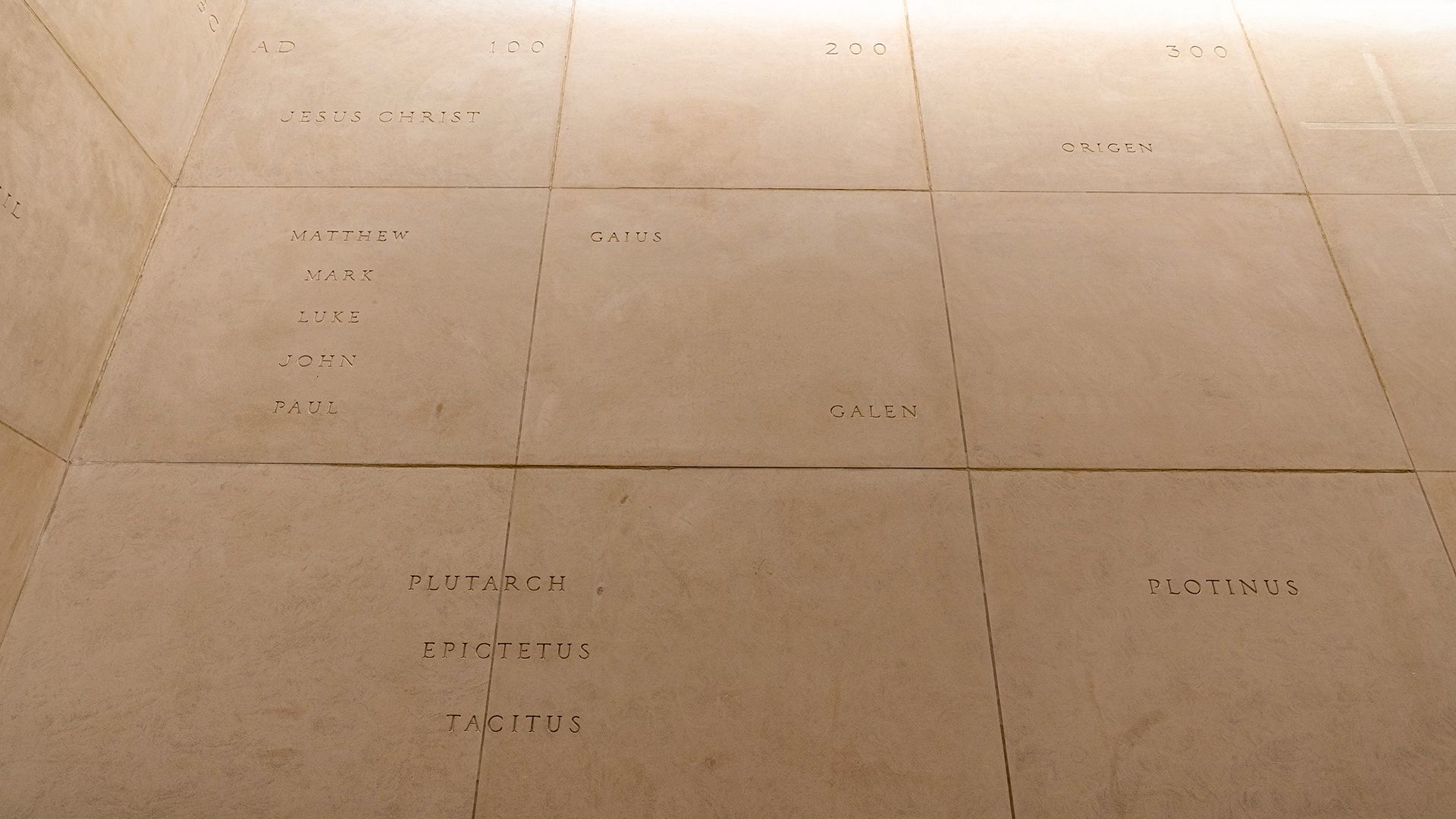
Jesus Christ
Founder of Christianity : Established a transformative spiritual movement based on love, forgiveness, and the Kingdom of God, reshaping religious and moral thought.
c. 5 AD, Galilee — c. 70 AD, Ethiopia (tradition)
Matthew
Matthew was one of the twelve apostles of Jesus. He is widely known as one of the four canonical Gospels in the New Testament of the Bible and is traditionally ascribed to the apostle Matthew. His life represents a dramatic transformation from tax collector to evangelist. The Gospel of Matthew provides an account of the life, ministry, death, and resurrection of Jesus Christ. While the authorship of the Gospel is deb
c. 5–15 CE — Unknown; later tradition claims martyrdom in Alexandria, possibly around 68 CE
Mark
• Author of the Earliest Gospel: The Gospel of Mark is widely considered the first written gospel and served as a source for Matthew and Luke (the “Synoptic Problem”).
c. 1st century CE, likely in Antioch, Syria (modern-day Turkey) — c. 84 CE, possibly in Boeotia, Greece
Luke
Evangelist of Compassion : Luke, a physician and author of the third Gospel and Acts of the Apostles, is renowned for his emphasis on Jesus’ mercy, inclusion of the marginalized, and detailed historical narrative in the New Testament.
6 AD in Bethsaida, Galilee during the Roman Empire — 100 AD (at the age of 93)
John
John the Apostle, also known as Saint John the Beloved, was one of Jesus’ twelve disciples according to the New Testament. He is traditionally considered to be the author of the Gospel of John, three epistles, and the Book of Revelation. He was born in 6 AD at Bethsaida in Galilee during the Roman Empire. John was the son of Zebedee and Salome and is listed as the youngest apostle. He is the brother of James the Grea
c. 5–10 CE (estimated), Tarsus — c. 64–68 CE, likely martyred in Rome under Emperor Nero
Paul
Paul was born into a Jewish family with Roman citizenship, a status that afforded him unique privileges and mobility throughout the empire. Deeply devoted to Jewish tradition, he initially saw the early Christian movement as a dangerous threat to Judaism. He actively sought to suppress it, participating in the persecution of Jesus’s followers.
c. 110–180 CE, possibly Rome or Asia Minor — Unknown (active in the 2nd century CE)
Gaius
Gaius (full name unknown, fl. c. 160 CE) was a Roman jurist and legal educator whose Institutes became the foundational textbook of Roman law. Likely born in the eastern provinces (possibly Asia Minor), Gaius taught law in Rome during the Antonine era, outside the imperial bureaucracy. He systematized centuries of legal tradition into a clear, student-oriented framework, dividing law into persons, things, and actions
Around 184 AD in Alexandria — Around 253 AD in Tyre, likely as a result of torture during persecution under Emperor Decius
Origen
• Built a Framework: Origen was the first to try creating a complete theological system. He asked big questions—about God, evil, salvation—and tried to answer them with logic and faith.
circa 129 CE, Pergamum, Asia Minor (modern-day Turkey) — circa 216 CE, Rome
Galen
Aelius Galen or Claudius Galen, also known as Galen of Pergamon, was a prominent Greek physician, surgeon, and philosopher in the 2nd century CE. He was born in Pergamon, a city in Asia Minor (modern-day Turkey), in 129 AD during the Roman Empire. Galen’s father, Aelius Nicon, was a wealthy architect, providing Galen with the means to pursue his education in medicine. Galen traveled extensively throughout the Mediter
ca. 46 CE, Chaeronea, Boeotia, Greece — After 119 CE (most likely between 120–125 CE)
Plutarch
Plutarch (Greek: Πλούταρχος, Latin: Plutarchus) was a Greek Middle Platonist philosopher, historian, biographer, essayist, and priest at the Temple of Apollo in Delphi. Born around 46 CE in Chaeronea, Boeotia (central Greece), he came from a prominent local family and received an education, studying philosophy, rhetoric, and ethics in Athens. Plutarch traveled widely, including at least one visit to Rome, where he me
c. 50 CE, Hierapolis, Phrygia (modern Turkey) — c. 135 CE, Nicopolis, Greece
Epictetus
Epictetus was a Greek Stoic philosopher born in Hierapolis, Phrygia (present-day Pamukkale, Turkey) around 55 CE. He was born as a slave and later gained his freedom to become one of the most influential thinkers of Rome. Due to a lack of concrete information, very little is known about his early life, but it is believed that Epictetus studied Stoic philosophy under the guidance of Musonius Rufus (a renowned Stoic ph
Circa 56 AD (exact birth year remains uncertain) — Around 120 AD
Tacitus
• Critique of Empire: Tacitus is revered for his unflinching portrayal of imperial excess, exploring how concentrated power erodes accountability and virtue.
c. 204/5 CE, Lyco or Lycopolis, Egypt — 270 CE, Campania, Italy
Plotinus
Plotinus was a Greek philosopher born in Roman Egypt, most likely in Lyco (modern Asyut) or Lycopolis. He is widely recognized as the founder of Neoplatonism, a philosophy that profoundly influenced late antiquity, the Middle Ages, and the Renaissance. Plotinus began studying philosophy in Alexandria at age 28, becoming a devoted student of Ammonius Saccas for eleven years. He joined Emperor Gordian III’s Persian exp
GSR-Wall 300-0-BC 20Nov2025
GSR-Wall-300-600-AD-20Nov2025
←
Back to room