Chronological collection
900 - 700 BC
A chronological collection represented on the Goodrich Seminar Room wall for 900 - 700 BC.
Open this wall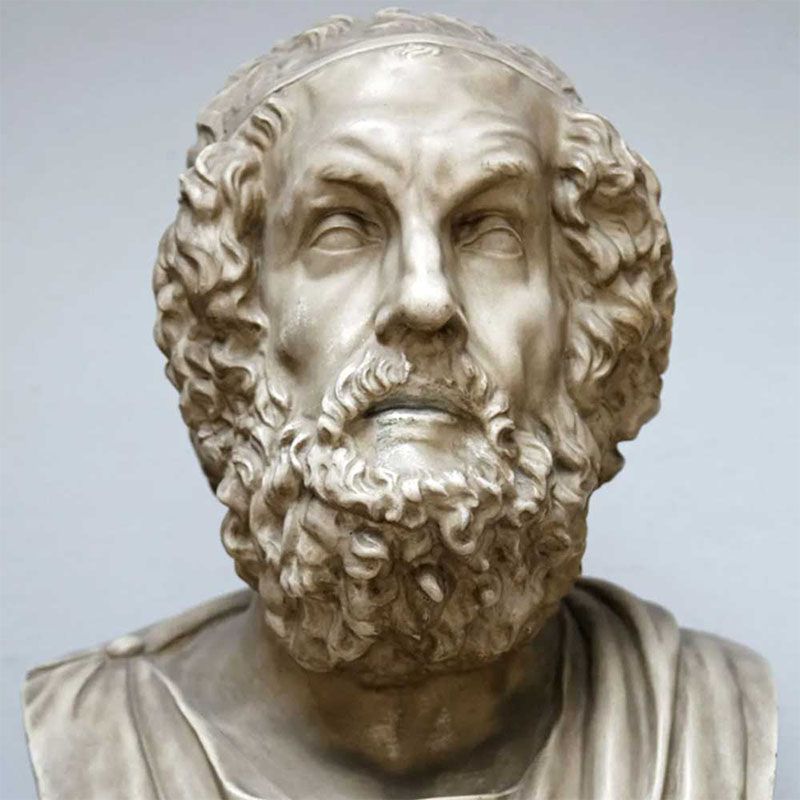
Homer
Through the Iliad and the Odyssey, Homer exposes the human cost of unchecked power and the fragile dignity of choice amid fate and force. By dramatizing honor, responsibility, and the limits of domination, his epics helped teach the West that liberty begins with moral agency—even in a world ruled by kings and gods.
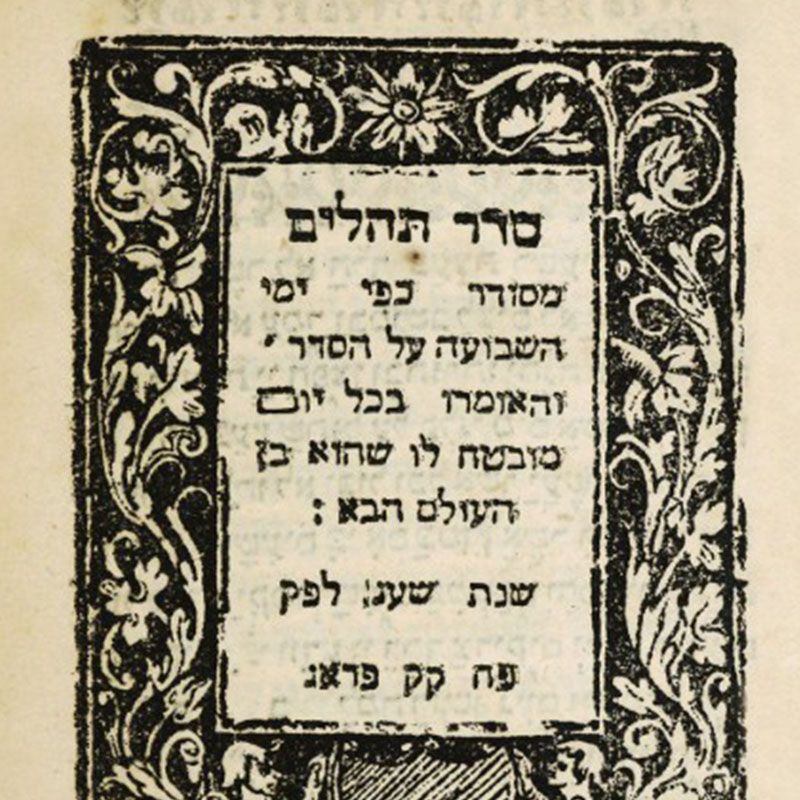
Psalms
The Psalms give human dignity its inner voice: a language of conscience that dares to appeal beyond kings and courts to a higher judge. By affirming that justice, dignity, and refuge belong to every soul—not just the powerful—they anchor freedom in moral accountability and the inviolable worth of the individual.
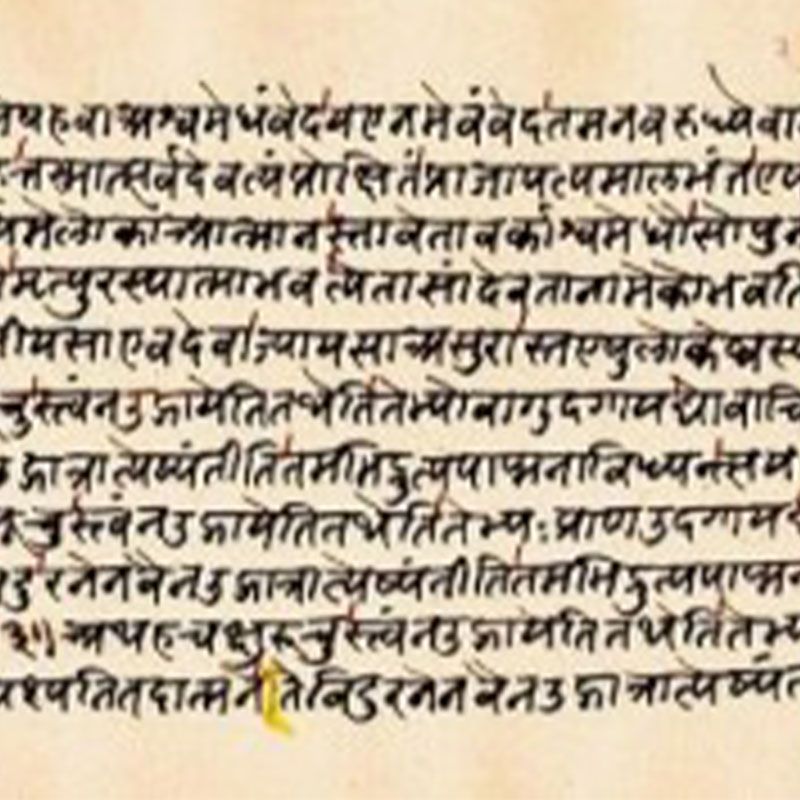
Upanishads
The Upanishads locate human autonomy in the recognition of a single, universal divine source—Brahman—from which both the self and the world emerge. By collapsing the divide between creator, creation, and inner consciousness, they shift authority away from coercive power and toward moral self-restraint, redefining liberation as obedience to an ultimate unity that no ruler can claim to command.
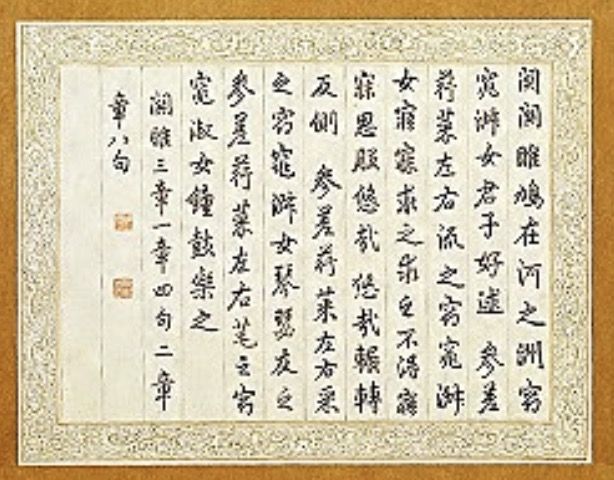
Shih Ching
The Shijing (Book of Poetry) reveals freedom in an unexpected place: the everyday voices of farmers, workers, lovers, and subjects observing their rulers. By preserving popular songs as moral evidence, it advanced a powerful idea—that legitimate authority rests on compassion and moderation.
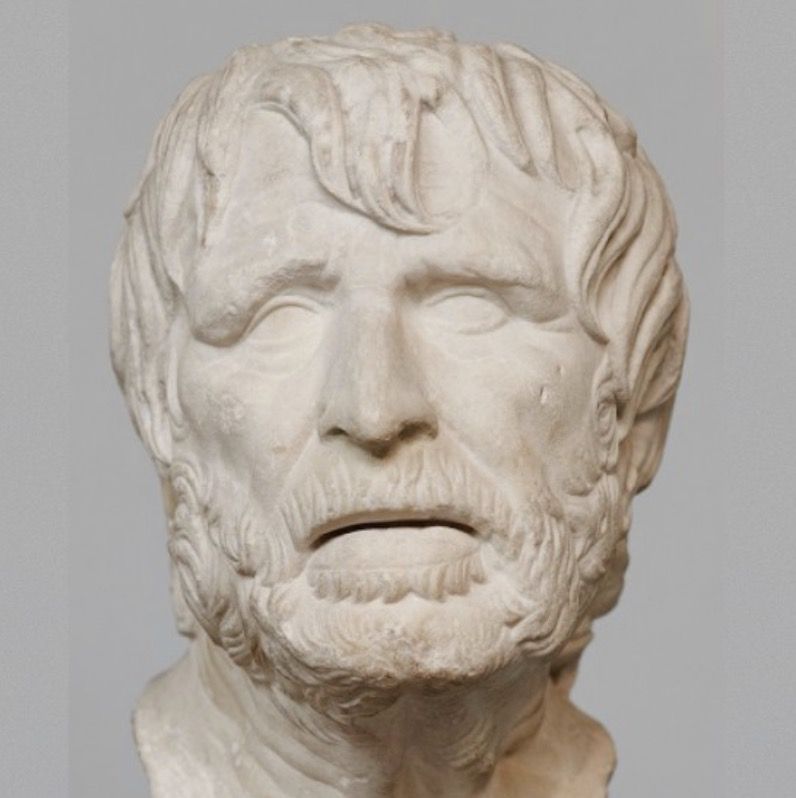
Hesiod
In Works and Days, Hesiod insists that justice depends on honest labor, fair dealing, and restraint rather than brute power or noble birth. By warning that injustice corrodes communities from within, he helped frame freedom as a moral order sustained by law, work, and accountability in everyday life. Man must worship Justice above all other virtues.
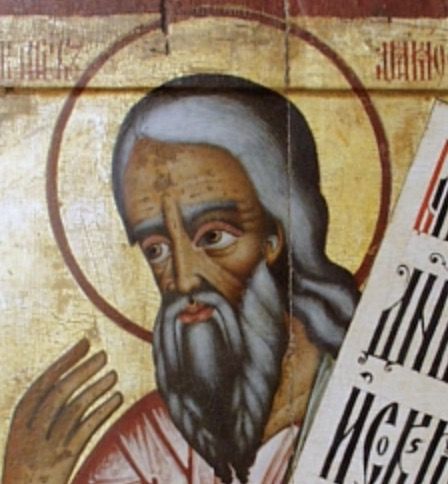
Amos
Amos warns that power divorced from justice is illegitimate, no matter how ancient, wealthy, or religious it appears. By insisting that rulers and societies are judged by their treatment of the poor and the vulnerable, he advanced a radical idea—that the same moral law stands in judgment over all nations.
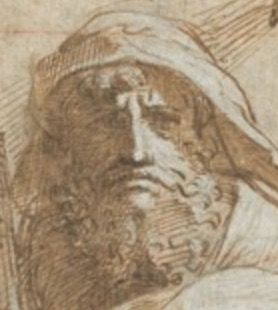
Hosea
Hosea emphasizes the importance of faithfulness to moral obligation rather than loyalty enforced by power. By condemning exploitation, corruption, and hollow authority, he insists that societies unravel when law is severed from justice, compassion, and responsibility—revealing that freedom cannot survive where trust and moral restraint collapse.
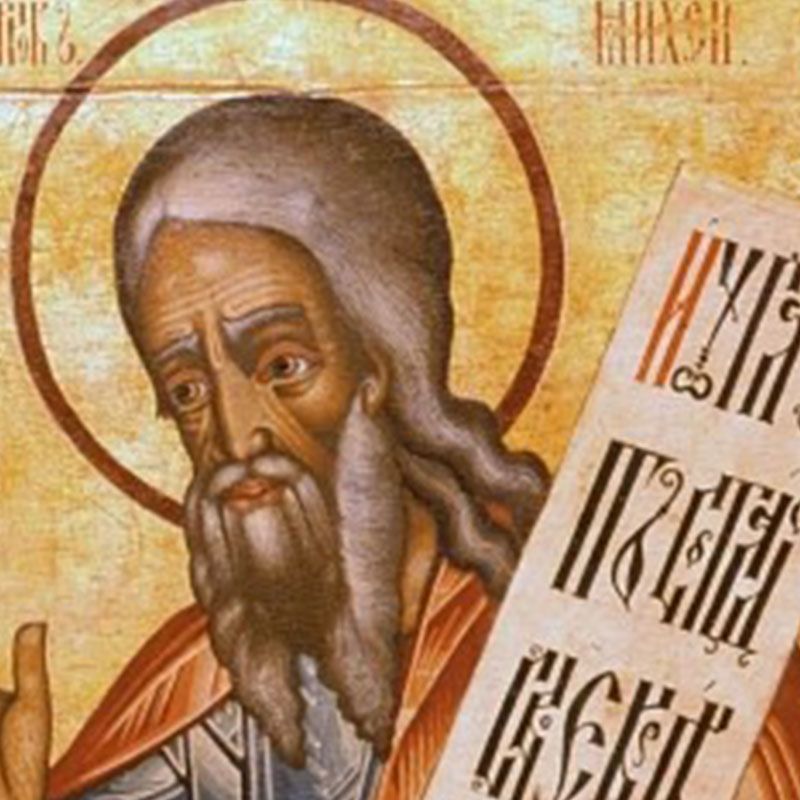
Micah
Micah declares that power is legitimate only when it is exercised with justice, mercy, and humility. By condemning rulers who pervert law for gain, he sharpened a lasting insight of free societies: law without moral restraint becomes oppression, not order.
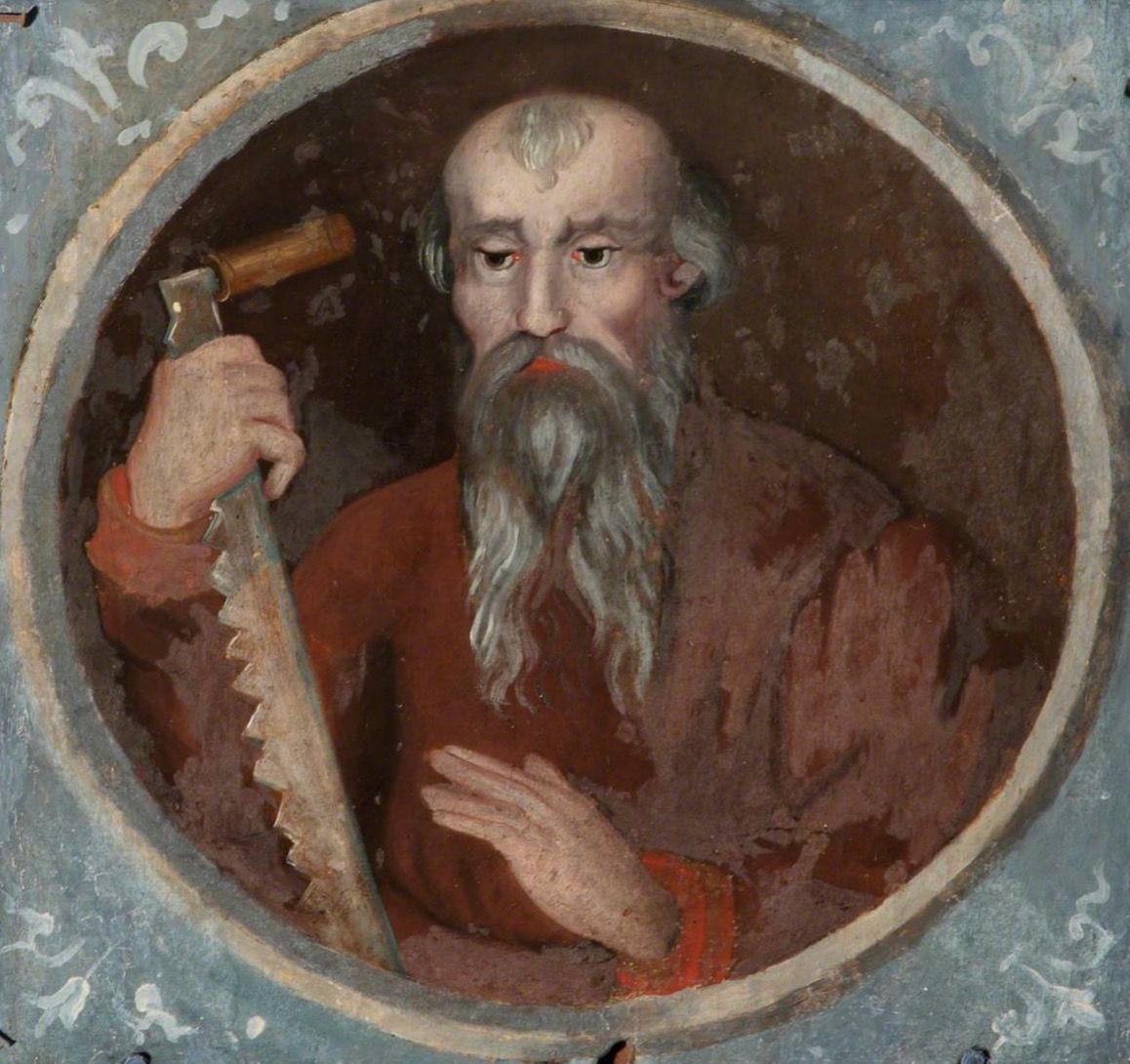
Isaiah
Isaiah confronts power with a sweeping moral vision: societies endure only when law defends the vulnerable and authority serves justice rather than privilege. By judging nations according to righteousness instead of might, he advanced a foundational insight of liberty—that political power is accountable to a higher law, or it forfeits legitimacy.