Chronological collection
600 - 800 AD
A chronological collection represented on the Goodrich Seminar Room wall for 600 - 800 AD.
Open this wall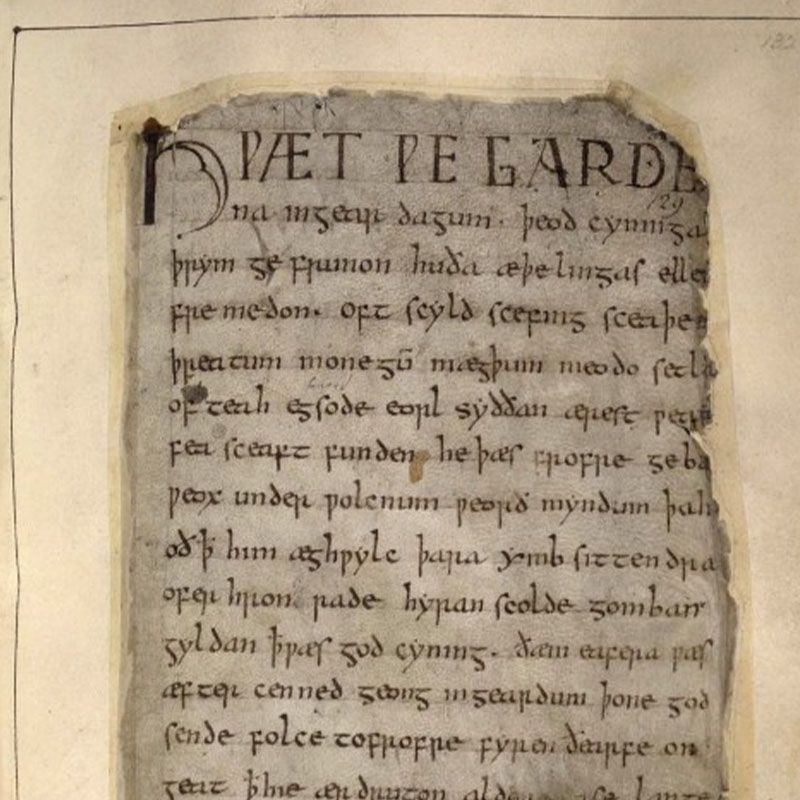
Beowulf
Beowulf explores a world where power is personal and fragile, testing whether strength can be disciplined by loyalty, honor, and restraint. By contrasting heroic courage with the dangers of pride and unchecked force, it offers an early warning for free societies: power that outlives moral responsibility becomes destructive to the community it claims to defend.

Mohammed
Mohammad attempts to subordinate power to law, insisting that rulers and ruled alike are bound by a single moral code. By founding a community governed by revealed law rather than lineage or force, he articulates a durable principle for free societies: authority is legitimate only when it is accountable to law beyond human will.
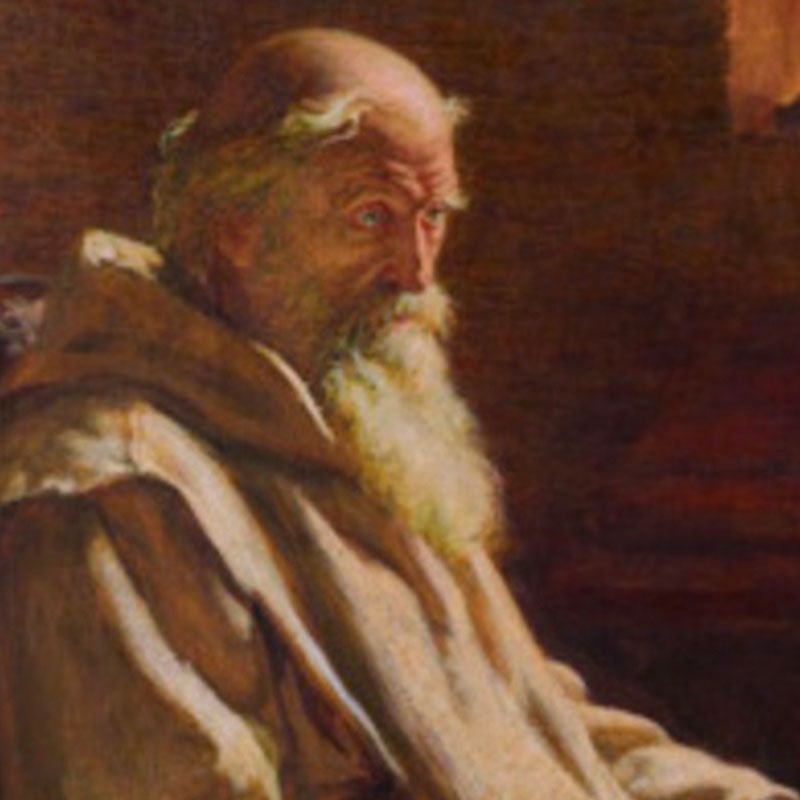
Bede
Bede secures liberty by preserving memory, law, and learning against the erosion of time and power. By recording how faith, custom, and kingship were disciplined by shared norms and accountable authority, he affirms a quiet but decisive principle of free societies: liberty endures where institutions remember their moral origins and limits.